From PCOS to PMOS: Why Fertility Experts Say It's Time to Rethink One of Women's Most Misunderstood Conditions
Fertility, IVF, and the growing movement to redefine one of women's most misunderstood health conditions

As June marks World Infertility Awareness Month, it feels like an especially important time to revisit one of the most common yet misunderstood conditions affecting women's reproductive health: Polycystic Ovary Syndrome (PCOS). As someone currently navigating my own IVF journey, I've spent more time than I ever imagined learning about hormones, fertility, and the many factors that can impact both. Now, a growing number of experts are advocating for a new name, PolyMetabolic Ovarian Syndrome (PMOS), arguing that it more accurately reflects the condition's far-reaching effects on fertility, metabolism, and long-term health.
At first glance, the change may seem cosmetic. But after speaking with three leading reproductive endocrinologists from HRC Fertility, one of the nation's premier fertility networks, it became clear that this conversation is about far more than terminology. It is about changing the way women understand their health and how healthcare providers diagnose, treat, and support a condition that extends far beyond fertility alone.
For reproductive endocrinologists and fertility specialists, the proposed shift acknowledges what many women have experienced for years: this condition is about more than irregular periods, ovarian cysts, or difficulty conceiving.
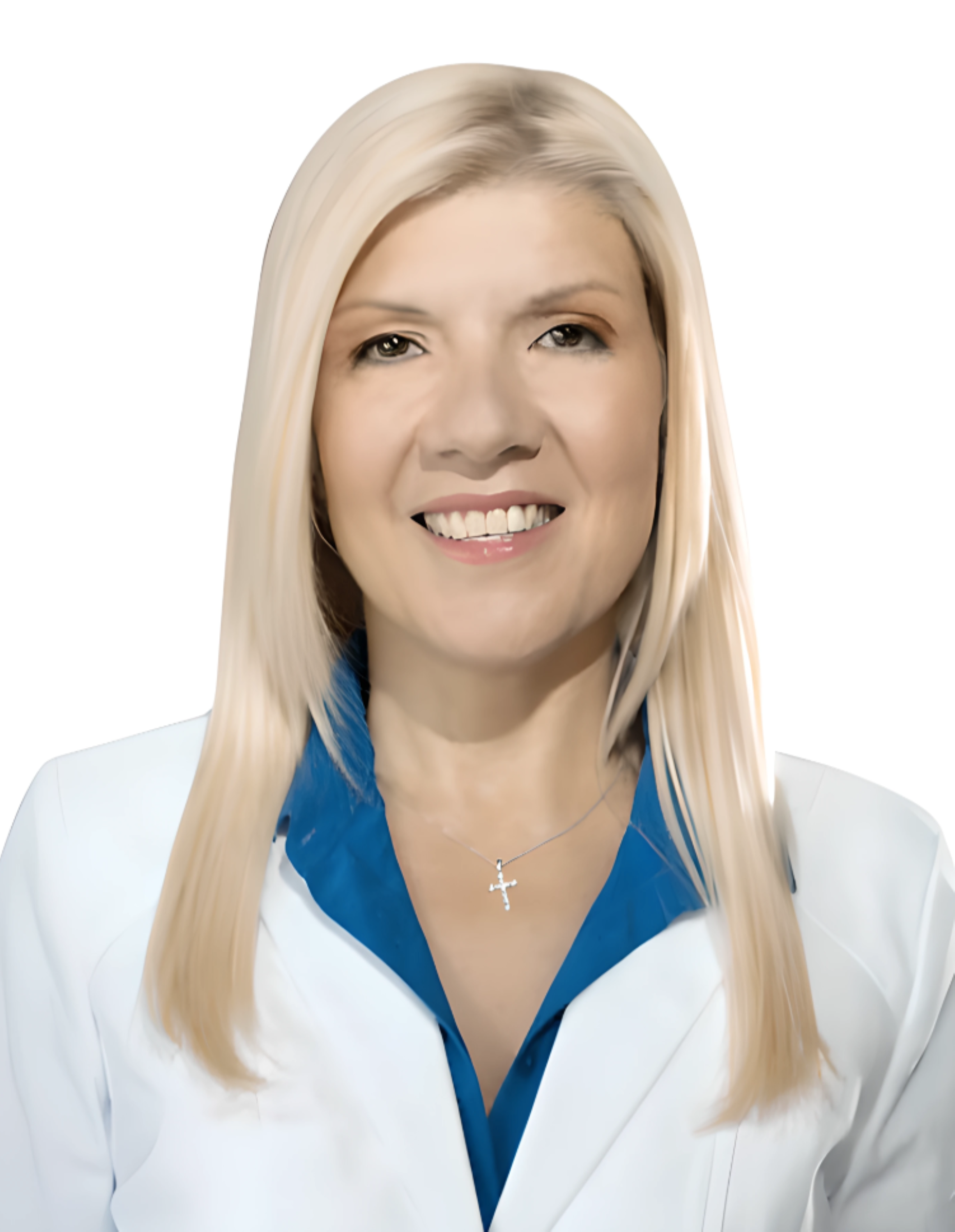
Dr. Kay Waud, MD, PhD, FACOG
Reproductive Endocrinologist, HRC Fertility San Francisco
"The term PCOS has been problematic for decades because it focuses on ovarian appearance rather than the underlying disease process," explains Dr. Kay Waud, MD, PhD, FACOG, a reproductive endocrinologist at HRC Fertility in San Francisco. "The new terminology recognizes that this is a complex endocrine and metabolic disorder affecting multiple body systems."
That distinction matters.
For years, the name PCOS has unintentionally suggested a condition limited to reproductive organs. In reality, experts now recognize its effects can extend throughout the body, influencing metabolism, cardiovascular health, mental health, inflammation, sleep, weight regulation, and long-term wellness.
According to Dr. Christo Zouves, MD, reproductive endocrinologist at HRC Fertility Silicon Valley, the name itself may have contributed to delayed diagnosis and misunderstanding.
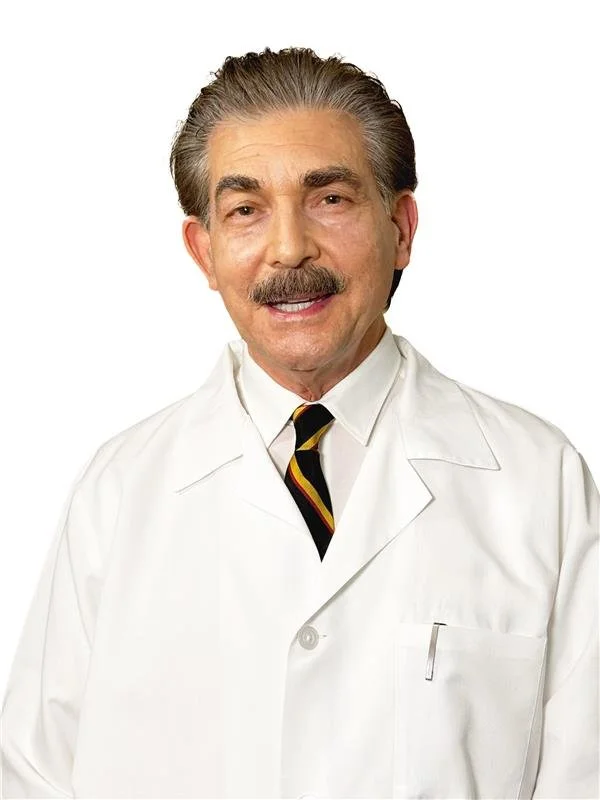
Dr. Christo G. Zouves, MD
Reproductive Endocrinologist, HRC Fertility Silicon Valley
"The term 'polycystic ovary syndrome' is inaccurate. It obscures the diverse endocrine and metabolic features of the condition and contributes to delayed diagnosis, fragmented care, and stigma," he says.
For many women, infertility becomes the first clue that something larger is happening beneath the surface.
While fertility struggles often bring women into a specialist's office, the underlying issues may have been present for years. Symptoms such as fatigue, anxiety, brain fog, acne, sleep disturbances, difficulty losing weight, irregular cycles, and insulin resistance are frequently dismissed or treated individually rather than recognized as part of a larger syndrome.
"Many women are told these symptoms are normal," says Dr. Shahin Ghadir, MD, FACOG, reproductive endocrinologist at HRC Fertility Beverly Hills. "When in reality they may reflect a deeper hormonal imbalance."
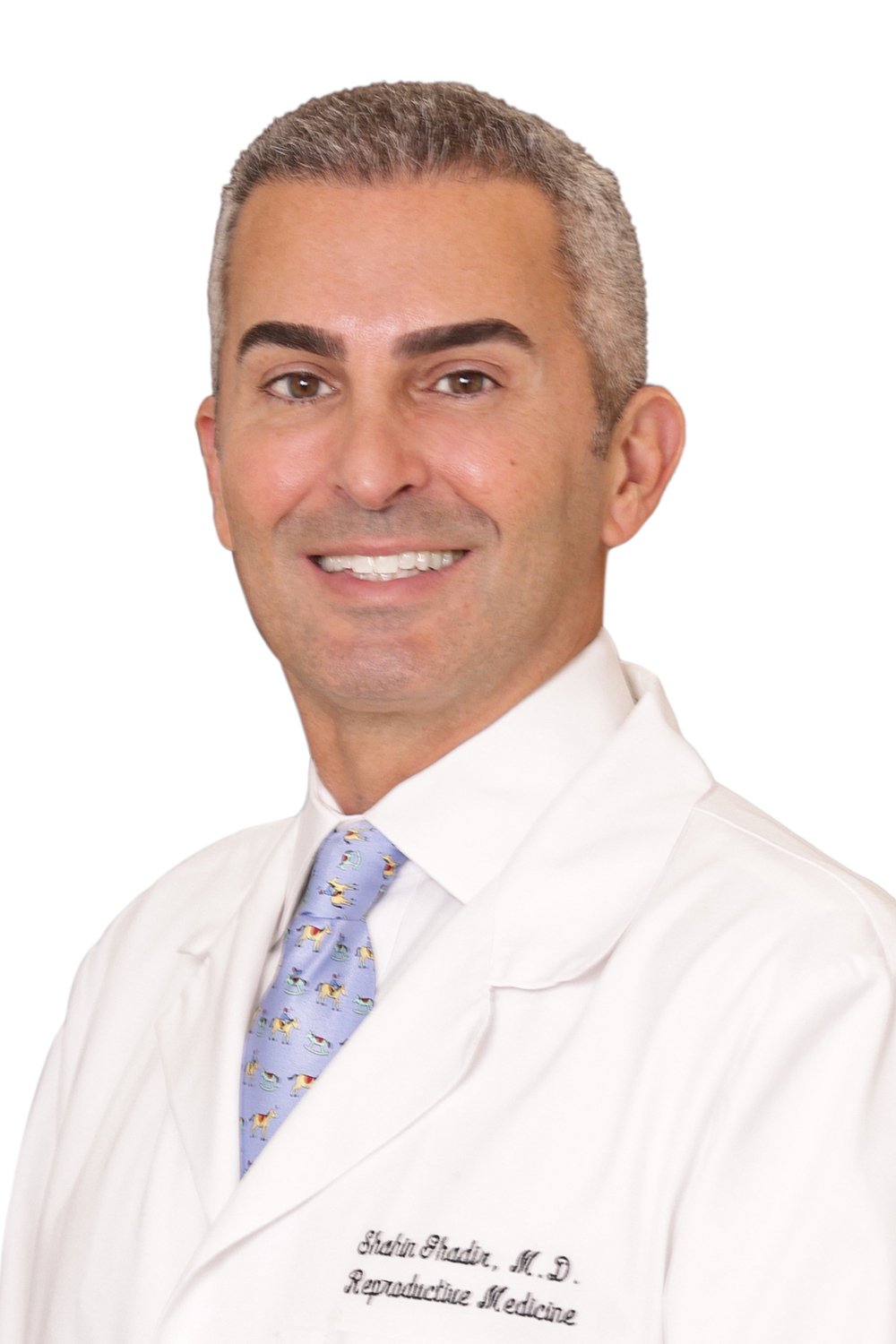
Dr. Shahin Ghadir, MD, FACOG
Reproductive Endocrinologist, HRC Fertility Beverly Hills
The connection between metabolic health and fertility is particularly significant. Insulin resistance, chronic inflammation, and hormonal dysfunction can directly impact ovulation, egg quality, implantation, and pregnancy outcomes.
"They are all interconnected," says Dr. Waud. "Elevated insulin levels stimulate excess androgen production, which can disrupt ovulation and impair egg quality. Chronic low-grade inflammation may further affect ovarian function, embryo development, and endometrial receptivity."
For women undergoing IVF, those connections become even more important.
As fertility treatments continue to advance, specialists emphasize that success depends on much more than embryos alone. Hormonal and metabolic health influence nearly every stage of reproduction, from follicle development and egg quality to implantation and maintaining a healthy pregnancy.
"IVF success depends not only on embryos, but also on the health of the body supporting the pregnancy," says Dr. Ghadir.
That perspective may be particularly meaningful for women who have spent years searching for answers.
Many women with hormonal disorders describe feeling dismissed, minimized, or told their symptoms are simply part of being a woman. Irregular periods, unexplained weight gain, exhaustion, acne, and fertility challenges are often normalized rather than investigated.
"There are several reasons diagnosis can be delayed," says Dr. Waud. "Many symptoms develop gradually and are often normalized by patients, families, or even healthcare providers. Patients frequently see multiple providers before someone connects the dots."
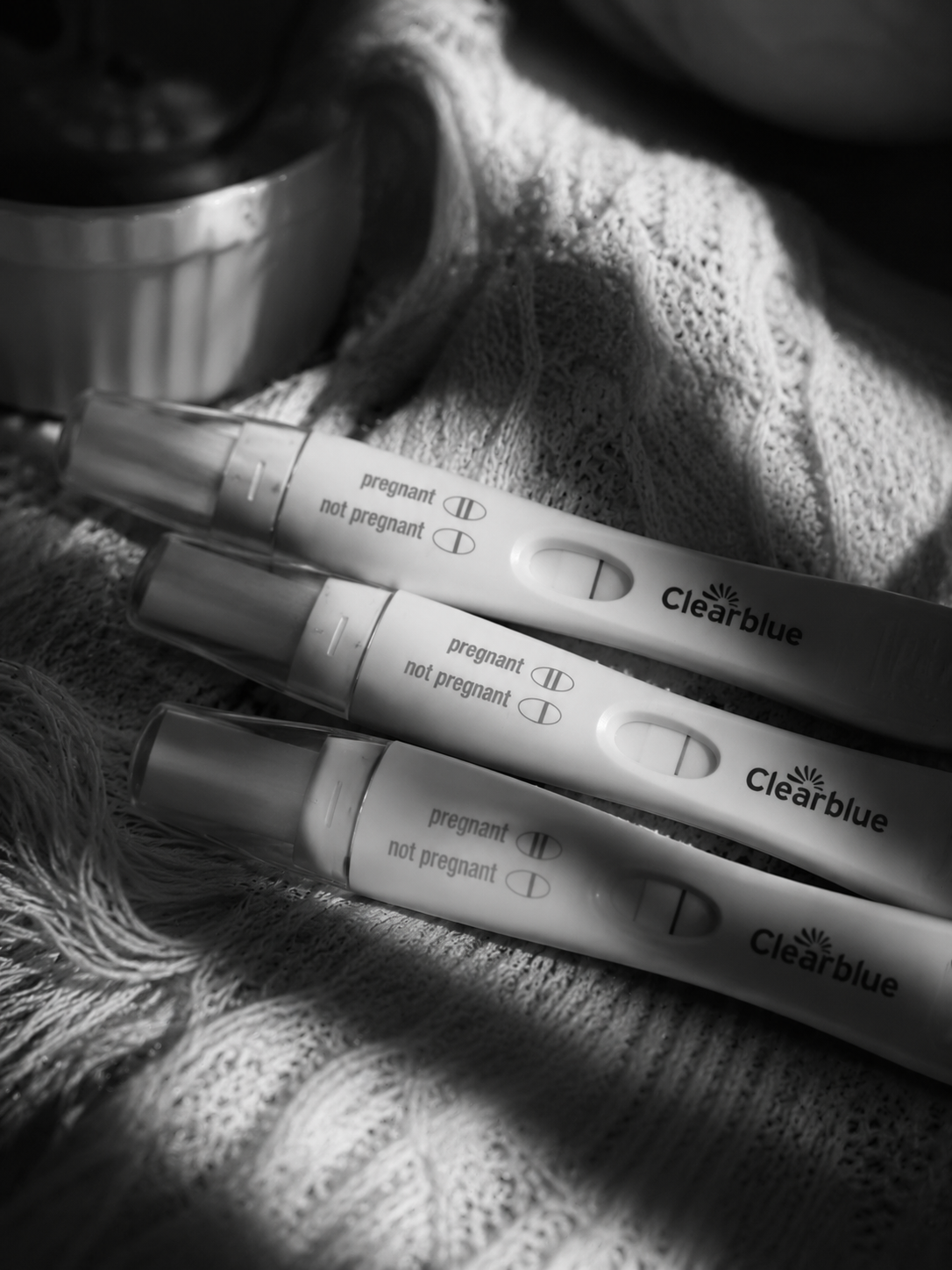
The result is a diagnostic journey that can stretch for years.
As conversations around PMOS continue to evolve, experts hope the new terminology will encourage a broader understanding of the condition and prompt earlier intervention.
More importantly, they hope it will empower women to see reproductive health as an essential component of overall wellness rather than something to consider only when pregnancy becomes a goal.
One of the most powerful takeaways from the experts interviewed for this story is that fertility does not exist in isolation.
"Fertility is closely connected to overall health," says Dr. Ghadir. "Hormonal and metabolic wellness should be prioritized long before trying to conceive because reproductive health is a reflection of whole-body health."
For women navigating infertility, IVF, hormonal imbalance, or simply wondering why they do not feel like themselves, that message may be the most important of all.
The conversation around PCOS and PMOS is not simply about changing a name. It is about changing the way women's health is understood, diagnosed, and treated. And for millions of women searching for answers, that shift could be long overdue.

About HRC Fertility
HRC Fertility is one of the nation's leading fertility networks, bringing together a team of board-certified reproductive endocrinologists and fertility specialists dedicated to advancing reproductive medicine and helping patients navigate every stage of their family-building journey. For more than 35 years, HRC Fertility has been at the forefront of innovation in fertility care, offering personalized treatment, cutting-edge technology, and compassionate support to individuals and couples pursuing parenthood.
Learn more at HavingBabies.com.