Dear HER-Health,
I've been dealing with pelvic pain and leaking urine when I sneeze or laugh for over two years now. My gynecologist has told me more than once that pelvic floor physical therapy could really help, but honestly — I can't bring myself to make the appointment. The idea of someone examining that part of my body in a physical therapy setting feels so vulnerable and strange. What if it's painful? What if I feel embarrassed? What if I just can't do it? I know I need help, but I'm frozen. Am I alone in feeling this way?
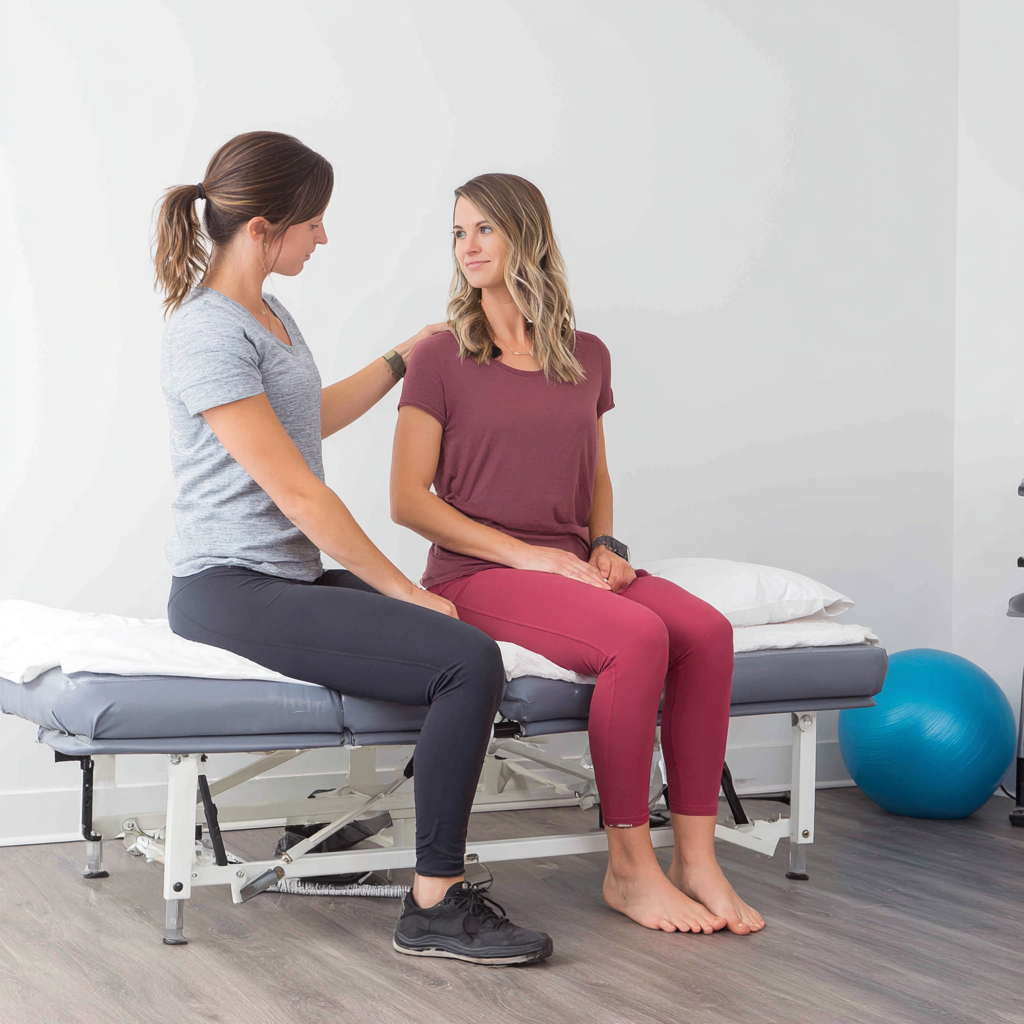
You are absolutely not alone — and the courage it took to even write this letter tells me you're closer to making that appointment than you think.
May is Pelvic Health Month, and I can't think of a more fitting moment to shine a light on exactly what you're feeling, because your fear is one of the most common reasons women continue to suffer in silence. Pelvic floor physical therapy is one of the most effective, evidence-backed tools we have for the kinds of symptoms you're describing — urinary leakage, pelvic pain, pressure, discomfort during intimacy — and yet so many women never access it because no one has taken the time to tell them what actually happens in that room. So let me do that for you right now, step by step.
It starts with a conversation — not an exam.
The first thing to know is that your first appointment is mostly a conversation. You arrive, you stay fully clothed, and you sit down with your therapist in a private room — not an open gym, not a space shared with anyone else — just you and a specialist whose entire focus is making you feel safe and understood. They'll go through a detailed intake questionnaire covering your symptoms, your health history, your bowel and bladder habits, and your goals. These questions might feel personal, but think of it this way: your bladder, uterus, vagina, and rectum are neighbors. When one is struggling, the others often feel it too. The more context your therapist has, the more precisely they can help you. And unlike a rushed doctor's appointment, you'll actually have time to explain everything that's been going on.
You are in control — always.
This is the part I most want you to hear: nothing happens without your full, ongoing consent. Your therapist will explain every step before it happens, check in with you throughout, and stop the moment you ask. You can decline any part of the assessment at any time, and a good pelvic floor PT will never make you feel pressured. There are no stirrups. There is no speculum. The setting is designed to feel calm and respectful, not clinical and cold.
The physical assessment — what it actually looks like.
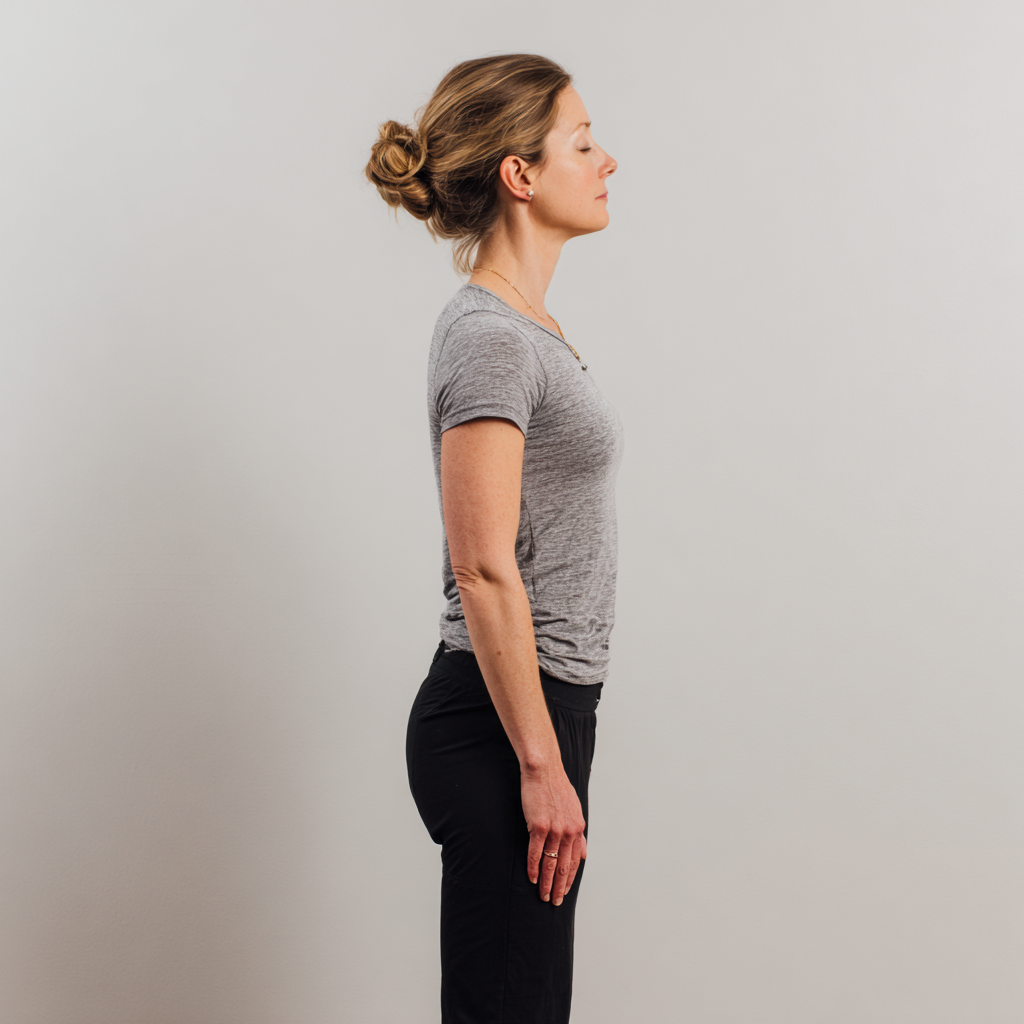
After your intake conversation, your therapist will likely do an external assessment first — evaluating your posture, how you move, your hip and low back mobility, and even your breathing patterns. This is done standing and clothed. The pelvic floor doesn't operate in isolation; it works in relationship to your hips, your core, your diaphragm. A skilled therapist looks at all of it.
If and when you're ready — and only then — an internal exam may be recommended. This involves one gloved, well-lubricated finger to gently assess the muscles of your pelvic floor at different depths: checking for tension, tenderness, trigger points, strength, coordination, and whether your muscles can both contract and fully relax. That last part matters enormously, because pelvic floor dysfunction often isn't about weakness alone — sometimes the muscles are too tight, too guarded, or unable to release. The exam typically takes about fifteen minutes, and you can stop at any point.
Here's what it is not: it is not a pap smear, it is not a gynecological exam, and it should not be painful. If anything is uncomfortable, you say so — and your therapist adjusts.
Then comes the plan — and the education.
At the end of your first visit, your therapist will walk you through what they found and what they recommend. Pelvic floor PT involves a lot of patient education, because this part of the body is so rarely talked about or understood. You might leave with breathing exercises, gentle stretches, a bladder diary to track patterns, or specific homework to begin building awareness and coordination. Treatment typically runs once a week for four to six weeks for many women, though your plan will be tailored entirely to you.
Why this month — and why now — matters.
Pelvic Health Month exists precisely because conditions like yours — including, but not limited to, urinary leakage, pelvic pain, prolapse — are extraordinarily common and extraordinarily undertreated. They are not personal failures. They are not things you simply have to live with. They are medical conditions with real, effective solutions, and you deserve access to those solutions.
Your gynecologist has pointed the way. Your body has been asking for help for two years. The only thing left is to make one phone call.
You can often self-refer to a pelvic floor physical therapist without a formal referral — though your gynecologist can also send one, and may be able to recommend trusted providers in your area. Two excellent resources for finding a specialist near you are the APTA Pelvic Health PT Locator and the Pelvic Global Directory, both searchable by location and specialty. Many practices even offer a free phone consultation so you can ask questions and get comfortable before your first in-person visit. You don't have to figure out your body alone. You don’t have to suffer. And you don't have to be afraid anymore.