“Dear HER-Health” with Heather Florio: Yoga Benefits for Pelvic Floor Health
Dear HER-Health,
I’ve heard yoga can help with pelvic floor issues like bladder discomfort, constipation, tension, and pain. Is that true, and if so, what types of yoga are best?
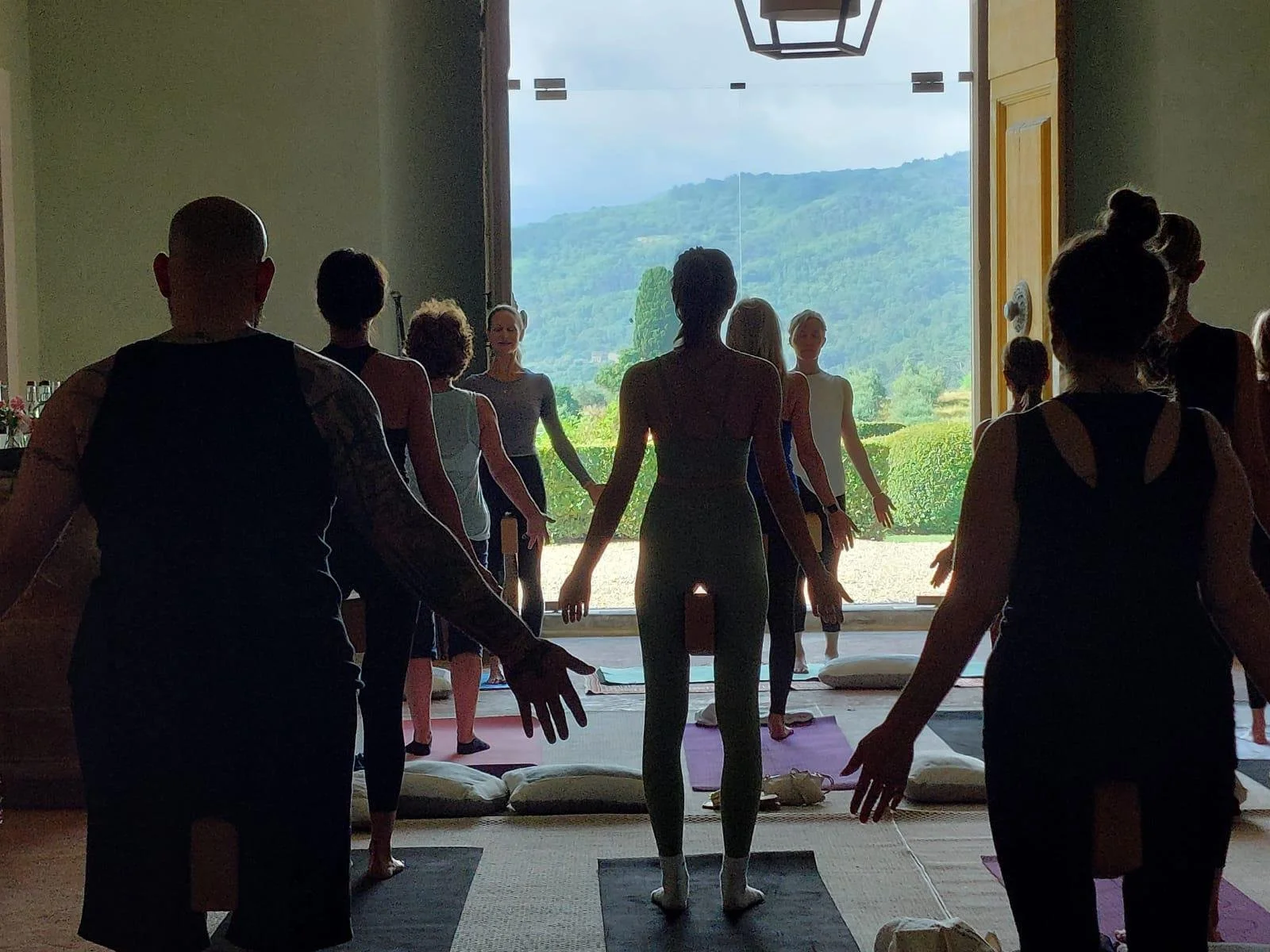
Yes, yoga can be incredibly beneficial for pelvic floor health. The pelvic floor is a group of muscles that support the bladder, uterus, and bowel, and like any muscle group in the body, it can become either weak or overly tight. Both situations can contribute to discomfort, urinary symptoms, and pelvic pain.
Gentle, mindful yoga can help improve circulation, flexibility, coordination, and relaxation of the pelvic floor muscles. One of the most important benefits of yoga is that it teaches us how to properly coordinate breathing with muscle engagement and relaxation, which is essential for healthy pelvic floor function.
Many people are surprised to learn that pelvic floor dysfunction is not always about weakness. In many cases, particularly for people living with conditions like bladder pain syndrome or pelvic pain disorders, the muscles may actually be overactive or tense (hypertonic). Yoga helps bring balance by encouraging the muscles to both release and strengthen appropriately.
What specific benefits can yoga provide for the pelvic floor?
A regular yoga practice can support pelvic health in several ways:
Improves blood flow to the pelvic region
Encourages relaxation of chronically tense pelvic muscles
Supports your true core and hip stability
Helps regulate the nervous system and reduce stress-related pelvic tension
Promotes better posture and alignment, which reduces pressure on the bladder and pelvic organs
Additionally, yoga helps reconnect people with their bodies in a gentle and supportive way. Many individuals dealing with pelvic pain or bladder symptoms can become disconnected from their pelvic area due to discomfort or fear of triggering symptoms. Mindful movement can help restore a sense of safety and control.
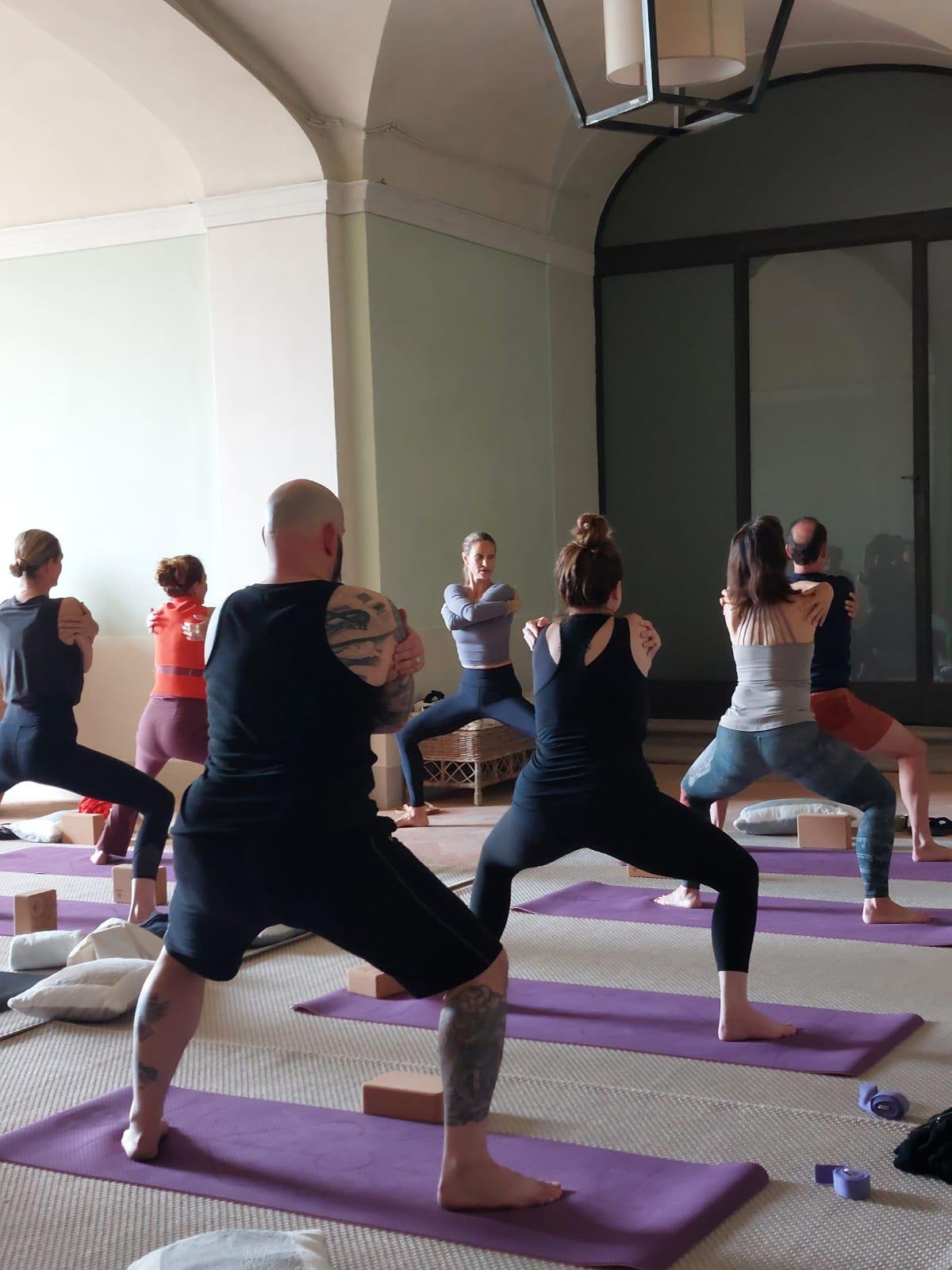
Recommended Yoga Resources
I often recommend the work of Sarah Finger, the Director of Yoga at the Gaia Collective. Sarah has developed a beautiful approach to yoga that focuses on nervous system regulation, gentle movement, and deep body awareness—all of which are incredibly helpful for pelvic floor health, even when experiencing acute or chronic pain.
Her guided yoga practices are accessible, calming, and designed to help the body release tension rather than push through discomfort. This approach is particularly helpful for individuals dealing with chronic pelvic tension or bladder sensitivity.
The Gaia Collective offers a variety of guided yoga videos and practices that support relaxation, mobility, and pelvic wellness. Many of these sessions emphasize breathwork, slow movement, and restoring balance to the body—exactly what the pelvic floor needs.
Are there any precautions someone with pelvic pain or bladder issues should take when starting yoga?
Absolutely. The most important principle is gentleness.
If you are dealing with pelvic pain, bladder sensitivity, or IC/BPS, avoid intense core exercises, aggressive stretching, or any posture that causes discomfort. Instead, focus on slow, supported movements and breathing.
Helpful tips include:
Move slowly and mindfully
Focus on deep breathing rather than muscle gripping
Avoid straining or pushing through pain
Use props like pillows, blocks, or bolsters for support
Choose restorative or gentle yoga practices
Yoga should feel supportive and calming, not like a workout that stresses the body.
The Takeaway
Yoga can be a powerful ally for pelvic floor health when practiced gently and mindfully. By improving circulation, releasing tension, and calming the nervous system, it helps restore balance where the body needs it most. Sometimes healing doesn’t require pushing harder—it begins with slowing down, breathing deeply, and allowing the body the space it needs to reset.