“Dear HER-Health” with Heather Florio: Vulvodynia
Dear HER-Health,
I’ve been experiencing burning and stinging pain around my vaginal opening for months. My doctor says everything “looks normal,” but it doesn’t feel normal. Sex is painful, sitting for long periods hurts, and I’m starting to feel anxious about it. What could this be?

A: First, I want to say this clearly: your pain is real.
If you’re experiencing persistent vulvar pain — especially burning, stinging, rawness, or soreness — and exams or tests aren’t showing infection or visible skin conditions, you may be dealing with something called vulvodynia.
And you are absolutely not alone.
What Is Vulvodynia?
Vulvodynia is chronic pain of the vulva (the external genital area) lasting three months or longer without an obvious cause like infection, injury, or dermatologic disease.
It can feel like:
Burning
Stinging
Rawness
Aching
Throbbing
Pain with touch (including intercourse, tampons, or tight clothing)
For some women, the pain is constant. For others, it only happens with pressure or contact.
Because there’s often no visible sign, many women are told “everything looks fine.” That can feel dismissive — but vulvodynia is a nerve-based pain condition. It doesn’t have to be visible to be very real.
What Causes It?
There isn’t one single cause. Vulvodynia is often multifactorial. Possible contributing factors include:
Nerve irritation or hypersensitivity
Pelvic floor muscle hypertension
Hormonal changes (including birth control or perimenopause)
Recurrent yeast infections
Inflammatory skin conditions
Past trauma or chronic stress
Central nervous system sensitization
Sometimes it begins after an infection that never fully “resolves” in the nervous system. The tissue heals — but the nerves remain on high alert.
Think of it like a smoke alarm that keeps going off even after the fire is out.
Why Is Sex So Painful?
When vulvodynia affects the vaginal opening (called vestibulodynia), even light pressure can trigger sharp or burning pain.
In response, the pelvic floor muscles may tighten protectively — which can make penetration even more painful. Over time, this creates a pain-tension-fear cycle:
Pain → Muscle Guarding → More Pain → Anxiety → More Guarding
This cycle is treatable — but it requires a comprehensive approach.
How Is Vulvodynia Treated?
The good news: there are options.
Treatment often works best when it addresses multiple layers of the issue.
Depending on the individual, treatment may include:
Pelvic floor physical therapy
Topical medications to calm nerve sensitivity
Hormonal support if tissue thinning is present
Oral nerve-modulating medications in some cases
Nervous system regulation (stress reduction, vagus nerve support)
Gentle vulvar skincare and barrier support
Counseling or sex therapy when fear or relationship strain develops
Healing isn’t always instant, but improvement is absolutely possible.
Important: Other Conditions to Consider
Before labeling pain as vulvodynia, it’s important to thoughtfully rule out other conditions that can mimic it — or exist alongside it. These include:
Recurrent Yeast Infections - Even low-grade or chronic yeast can create persistent burning. Sometimes cultures are needed to confirm.
Contact Dermatitis - Soaps, wipes, laundry detergents, pads, lubricants, and even toilet paper can irritate delicate vulvar tissue.
Lichen Sclerosus or Other Vulvar Skin Conditions - These inflammatory conditions may start subtly and require careful examination — sometimes even a biopsy — to diagnose.
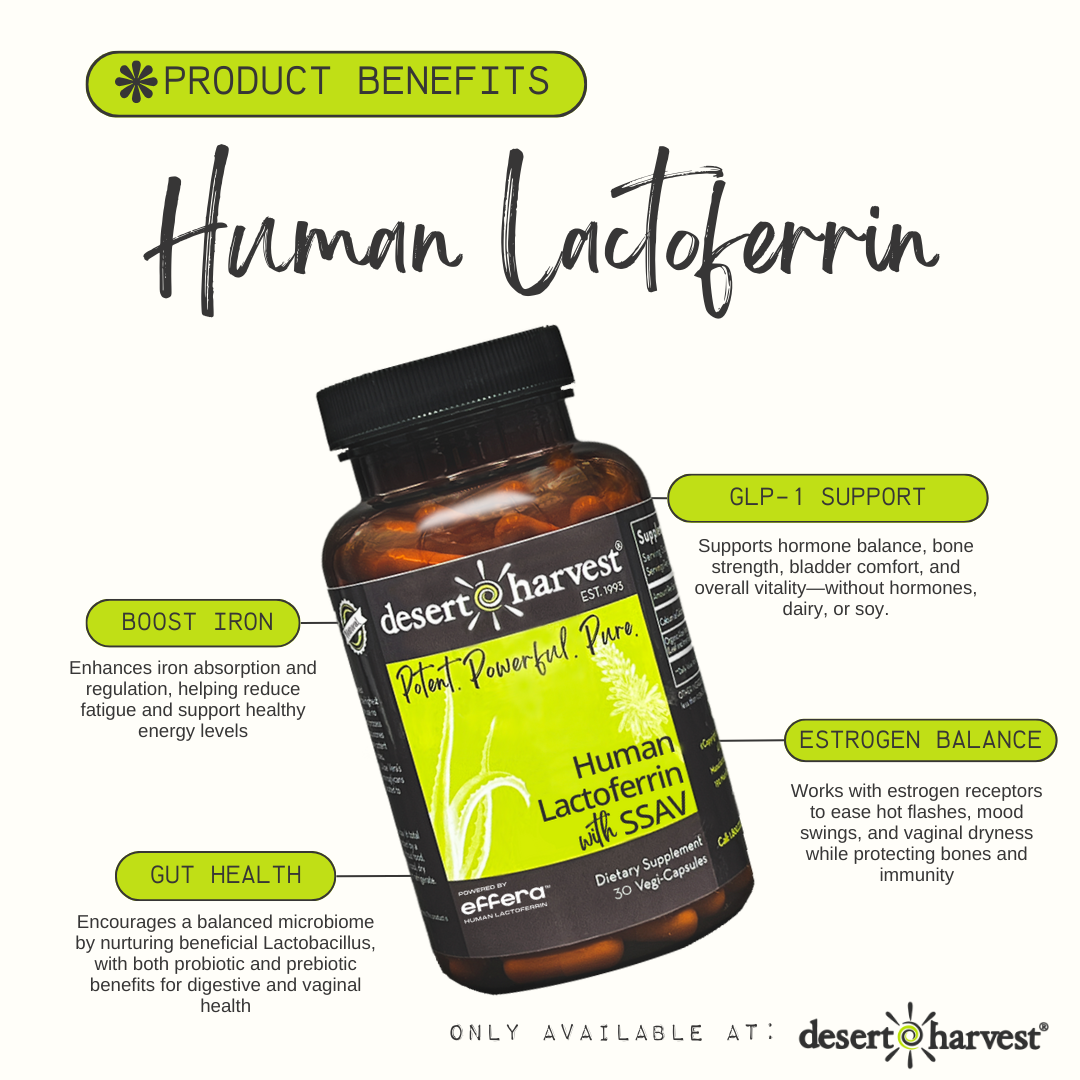
Hormonal-Related Tissue Changes - Low estrogen (common in perimenopause, menopause, breastfeeding, or certain birth control pills) can thin and sensitize tissue.
Pelvic Floor Dysfunction - Tight, overactive pelvic muscles can cause burning, pressure, or pain with penetration.
Pudendal Neuralgia - Irritation of the pudendal nerve can cause deep, sharp, or radiating vulvar pain, often worse with sitting.
Interstitial Cystitis (Bladder Pain Syndrome) - Bladder pressure or urinary urgency can sometimes feel like vulvar pain.
The key message: chronic vulvar pain deserves a thorough evaluation — not a quick dismissal.
What Can I Do Right Now?
If you suspect vulvodynia:
Seek a provider familiar with chronic vulvar pain. The National Vulvodynia Association has a list of providers on their website: https://www.nva.org/for-patients/health-care-provider-list/
Avoid harsh soaps, douching, and fragranced products.
Wear loose, breathable cotton underwear.
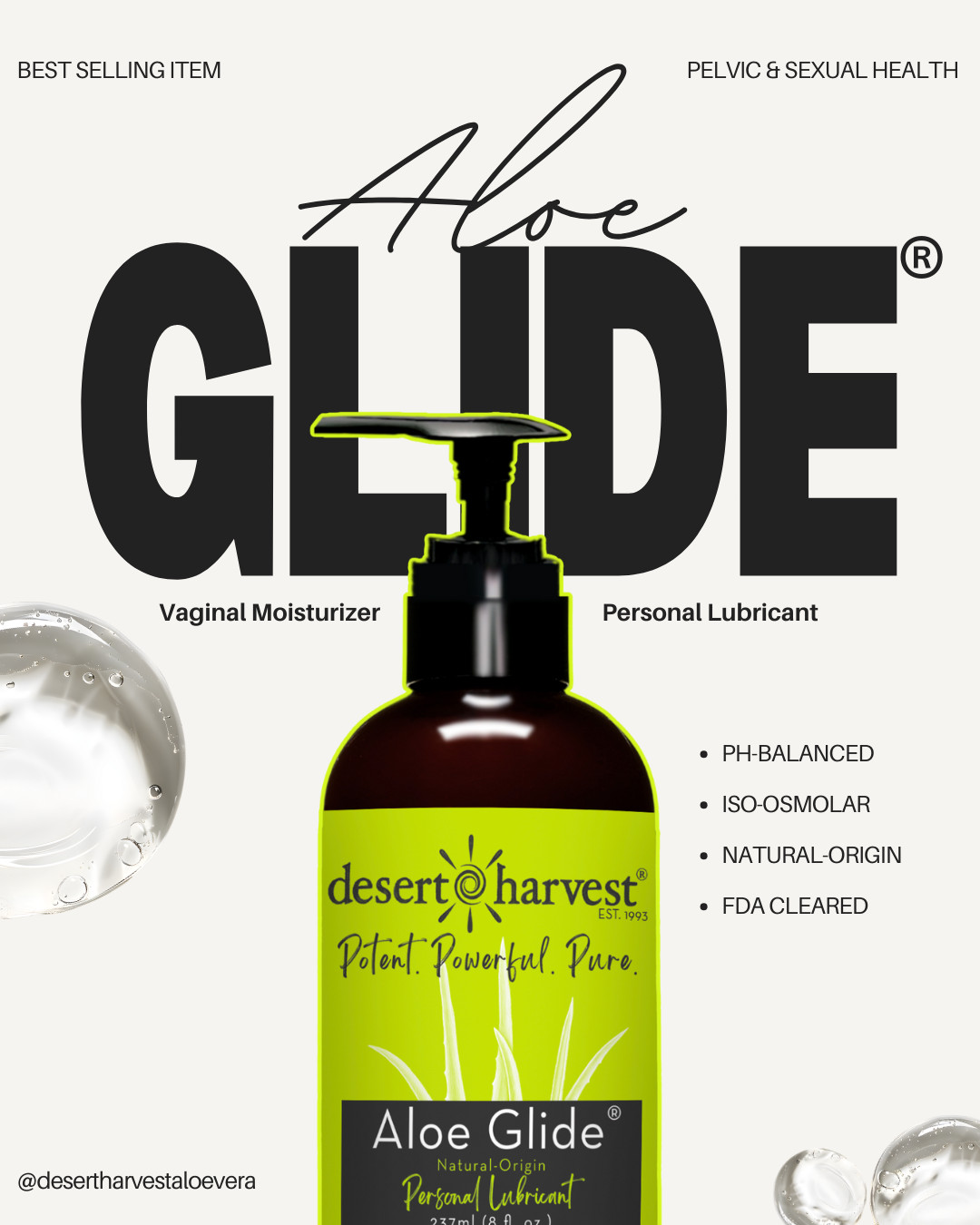
Use a water-based lubricant, like Desert Harvest Aloe Glide, if sexually active.
Be kind to your body — this is not “in your head.”
And perhaps most importantly: stop blaming yourself. You deserve answers. And relief.
A Final Word
Chronic vulvar pain can be isolating, frustrating, and emotionally exhausting. Many women suffer quietly because they feel embarrassed or dismissed.
But vulvodynia is a recognized medical condition.
It is common.
It is treatable.
And your comfort matters.
If this sounds like you, let this be your reminder: pain is information, not a flaw.