Tribeca Film Festival Spotlight: “Hollywood Black” Honors a Century of Resilience and Creativity
On Saturday, June 15, 2024, MGM+ celebrated the world premiere of its highly anticipated docuseries Hollywood Black at the Tribeca Film Festival. This year’s Tribeca Film Festival served as a powerful stage for stories that demand to be seen and heard. Among the standout premieres was Hollywood Black, a riveting docuseries that reclaims and reframes the narrative of Black creatives in the film industry. Directed by Justin Simien, the visionary behind Dear White People and Bad Hair, the series is inspired by renowned historian Donald Bogle’s seminal book of the same name.
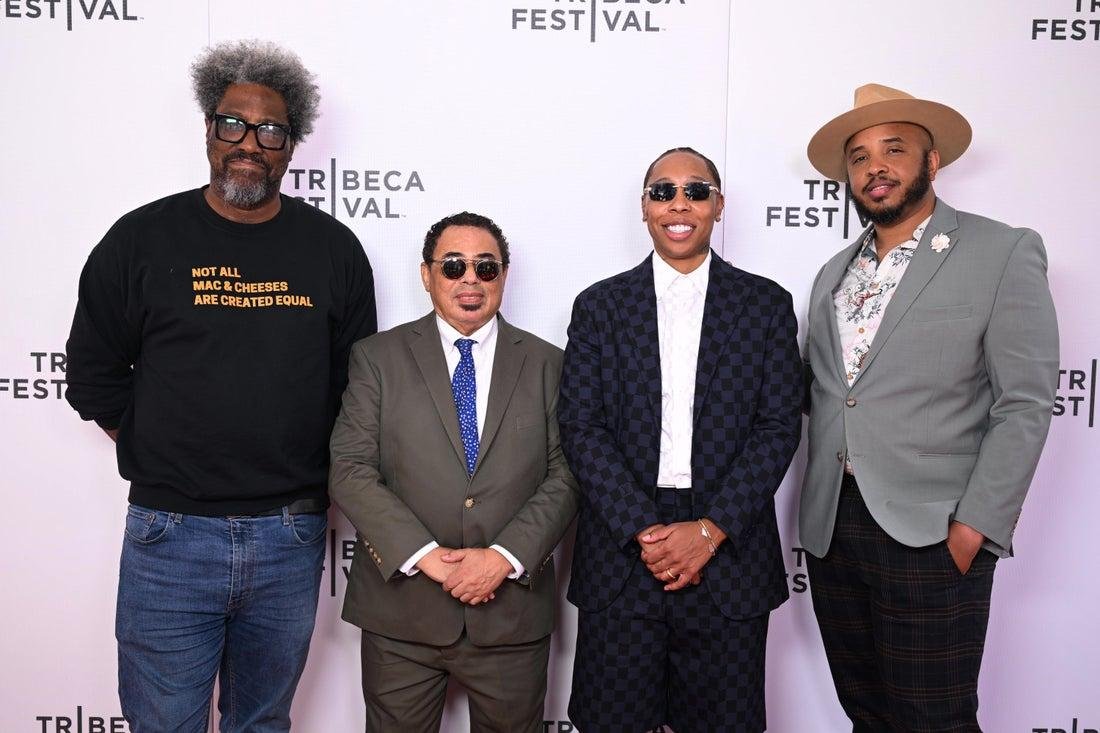
(L-R: W. Kamau Bell, Donald Bogle, Lena Waithe, Justin Simien), Photography: David Kotinsky/Getty Images
Hollywood Black isn’t just a historical recount; it’s a soul-stirring conversation that spans decades. From the early silent film era to present-day streaming giants, the series traces the evolution of Black representation in Hollywood — revealing the tension between systemic limitations and the unyielding determination of Black artists. Simien, known for centering nuanced Black experiences in his work, weaves archival footage, personal reflections, and cinematic analysis into a cohesive and compelling story.
The world premiere at Tribeca featured the first two episodes, titled “Built On Our Backs” and “The Defiant Ones”, to a sold-out audience. Both episodes capture key eras in which Black actors and filmmakers pushed against the margins of mainstream cinema. “Built On Our Backs” explores how early depictions of Blackness were steeped in stereotypes, while “The Defiant Ones” centers on trailblazers who used their platform to challenge those tropes — from Sidney Poitier to Pam Grier.
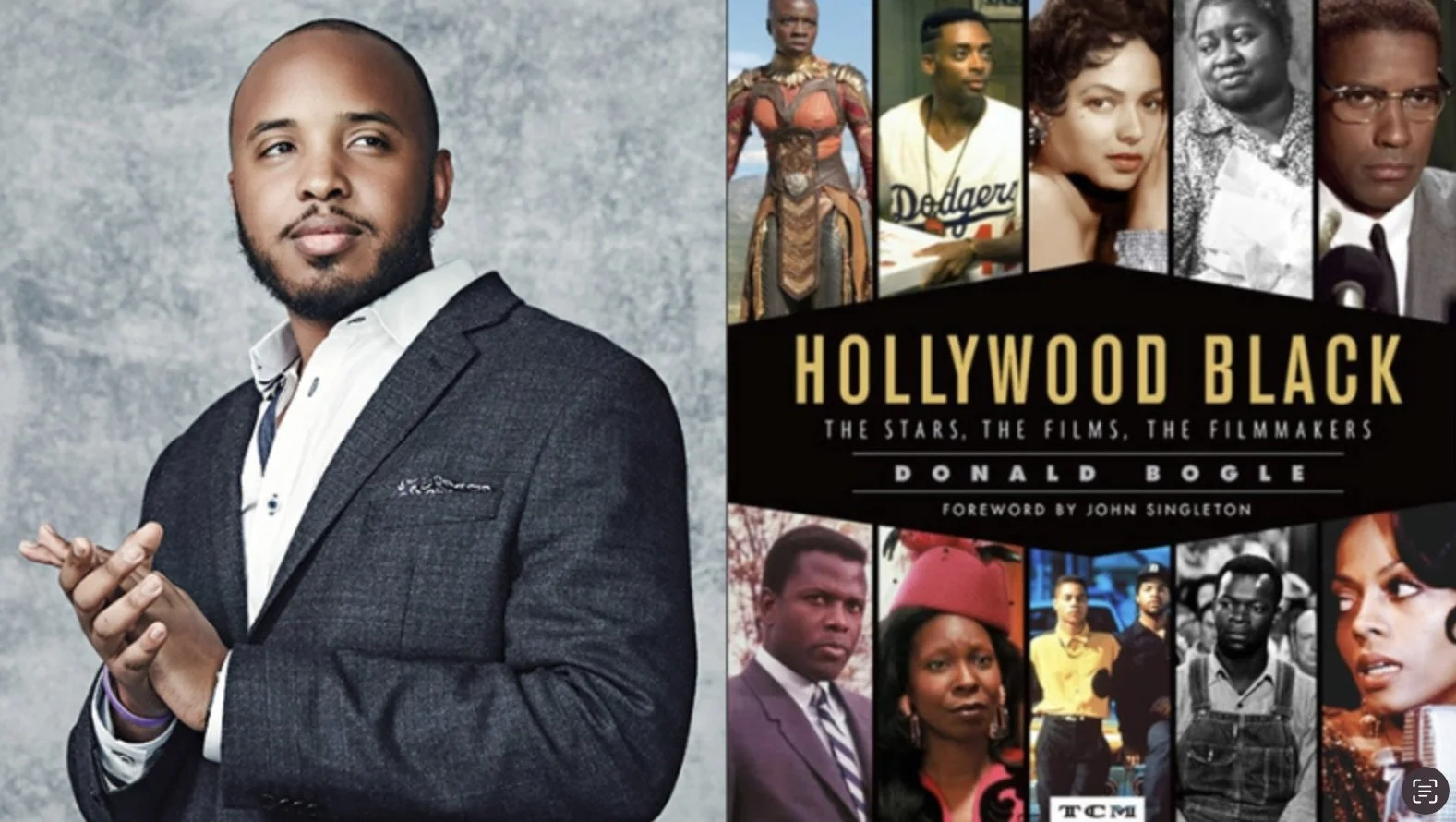
The post-screening panel was equally impactful. Director Justin Simien joined author Donald Bogle, producer and creator Lena Waithe, and comedian W. Kamau Bell for a conversation moderated by journalist Aramide Tinubu. The group engaged in an unfiltered discussion on creative ownership, legacy-building, and the importance of telling stories that reflect the full spectrum of Black life. Waithe, whose company Hillman Grad co-produced the series, emphasized the power of visibility: “Black stories aren’t a genre — they’re essential. We have the right to tell them as fully and honestly as anyone else.”
What sets Hollywood Black apart is its ability to be both educational and deeply emotional. The documentary includes candid interviews with a who’s who of Black Hollywood, including Ava DuVernay, Issa Rae, Ryan Coogler, John Boyega, and Forest Whitaker. Their voices bring texture to the series — not just as celebrities, but as stewards of a cultural legacy. Each episode reminds viewers that behind every award, every red carpet moment, and every iconic role lies a history of perseverance and community.
Tribeca’s embrace of Hollywood Black signals a shift — not just in which stories get told, but in how they’re received. In a festival teeming with global premieres and celebrity buzz, it was a Black-centered docuseries that captured hearts and ignited thoughtful conversations. Audiences walked away informed, inspired, and reminded of the unfinished business that still looms over Hollywood.
Now streaming on MGM+, Hollywood Black is more than required viewing — it’s a love letter to Black artists who built the foundation of American cinema, brick by brick, story by story.