Fire Island Freedom
Can you believe there’s a place off the South Shore of Long Island where you can truly be yourself, feel accepted, and skip the hassle of city life—no messy subways or steaming hot cabs? Okay, there’s a little travel involved: you’ll need to catch a 25-minute ferry from Sayville. But once you arrive, you'll find yourself in a place that’s been a haven for LGBTQIA+ individuals dating back to the 1920s.
Welcome to the docks of Cherry Grove and the Pines. Straight out of a storybook, it’s almost hard to believe that these unique communities on Fire Island existed even in the golden days. Thanks to the power of social media and the magic of Google, you can see it's all real. But behind those picturesque photos, a trip here offers something deeper—especially for the year-round residents.
Meet Michael Fisher, a filmmaker and visual artist who lives in Cherry Grove and is passionately committed to documenting and preserving LGBTQ history. His notable works include *Cherry Grove Stories*, which chronicles gay history in the area, and *I Feel a Song Coming On*, which tells the story of long-time residents of Cherry Grove. Michael wrote, produced, and directed both films, which have had the amazing opportunity to tour the international film festival circuit.
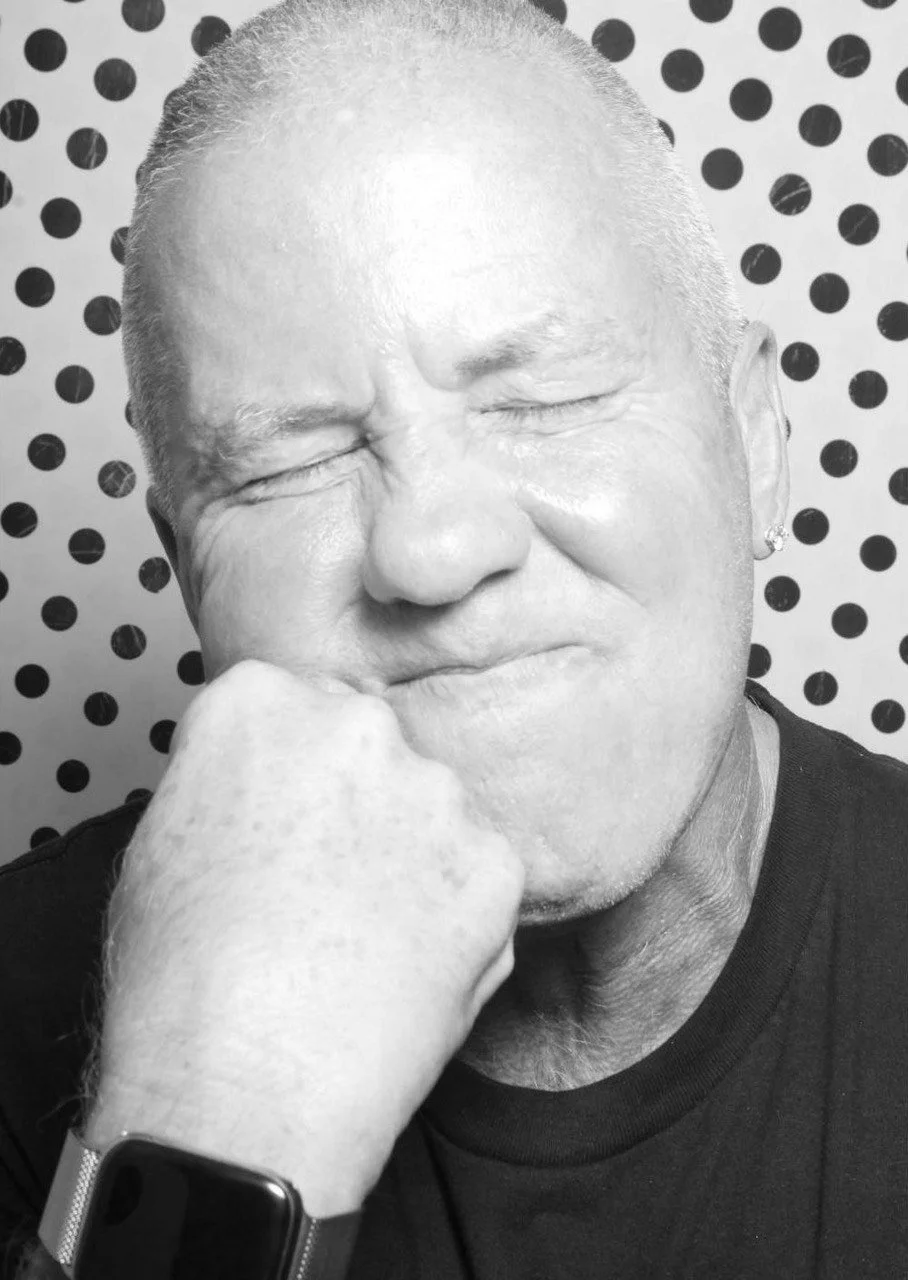
I’ve had the pleasure of meeting this incredibly kind soul and asked him a few questions about what I consider to be a place of true freedom.
When did you first visit Fire Island?
1985
Are you a permanent resident or just a summer guest?
I am a year-round permanent resident.
How has Fire Island changed over the years?
Fire Island has changed a lot due to global warming. The bay seems to be creeping inward, and there’s significant beach erosion. Socially, though, Fire Island is basically the same—it remains an epicenter for LGBT+ culture, and I hope it stays that way.
You made a documentary on Cherry Grove. What inspired that?
On my first visit to Cherry Grove in 1985, I met a man named Michael Delisio. He was a great storyteller. We would sit and talk, and he would recount all the amazing things that had happened in Cherry Grove. He was my inspiration. It felt important to document that history and those stories before the storytellers disappear.
Why is Fire Island such an important place for the queer community?
Cherry Grove serves as a safe space where LGBT+ people can gather without the societal pressures of straight communities. There’s a prevailing sense of freedom here, and unfortunately, it feels like these safe havens are becoming rarer.
If you could share something about Fire Island that a Google search wouldn’t reveal, what would it be?
There’s a wealth of natural beauty. Yes, it’s an LGBT+ community, but the nature is what draws me in. For example, there’s purple sand in the Grove—actual garnet—and it's one of the few beaches where you can find that. Also, the Sunken Forest is a natural marvel. My advice to a new visitor: take a walk and enjoy the natural elements of the destination.
Before becoming a filmmaker, Michael worked with Steve Jobs to help create the Apple Stores, which revolutionized the retail experience. His success there led to other groundbreaking visual design work with Samsung, Coach, and Bloomingdale’s. His current film project, Toe Tag, which he wrote and executive produced, is based on a true story from his life.
When I moved back to the East Coast, Fire Island was just a whisper—a name I'd hear now and then. But having the privilege to visit every summer, I quickly learned that it’s so much more than just a destination. It’s a place of comfort and peace for the queer community.
To lighten things up: yes, it’s wild and outrageous, with more than enough Instagram-worthy moments. But for me, it’s about the sense of togetherness. Every person I’ve met there over the past decade has been nothing but welcoming and supportive. Just remember—this is home for many. So go, enjoy the shenanigans, but take with you the memories and respect for the history they’ve built.