
The most memorable pieces in our wardrobes are often tied to life's defining moments—a wedding day, a career milestone, an important meeting, or simply the confidence that comes from feeling like the best version of yourself. Whether dressing for work, a walk down the aisle, or everyday life, today's consumers are increasingly seeking clothing that feels personal, intentional, and uniquely their own.

Yet for decades, custom tailoring was reserved for the elite, confined to private ateliers, handwritten measurements, and months-long waitlists. Today, a new generation of fashion brands is redefining what bespoke means, blending cutting-edge technology with centuries-old craftsmanship to make personalized clothing more accessible than ever.
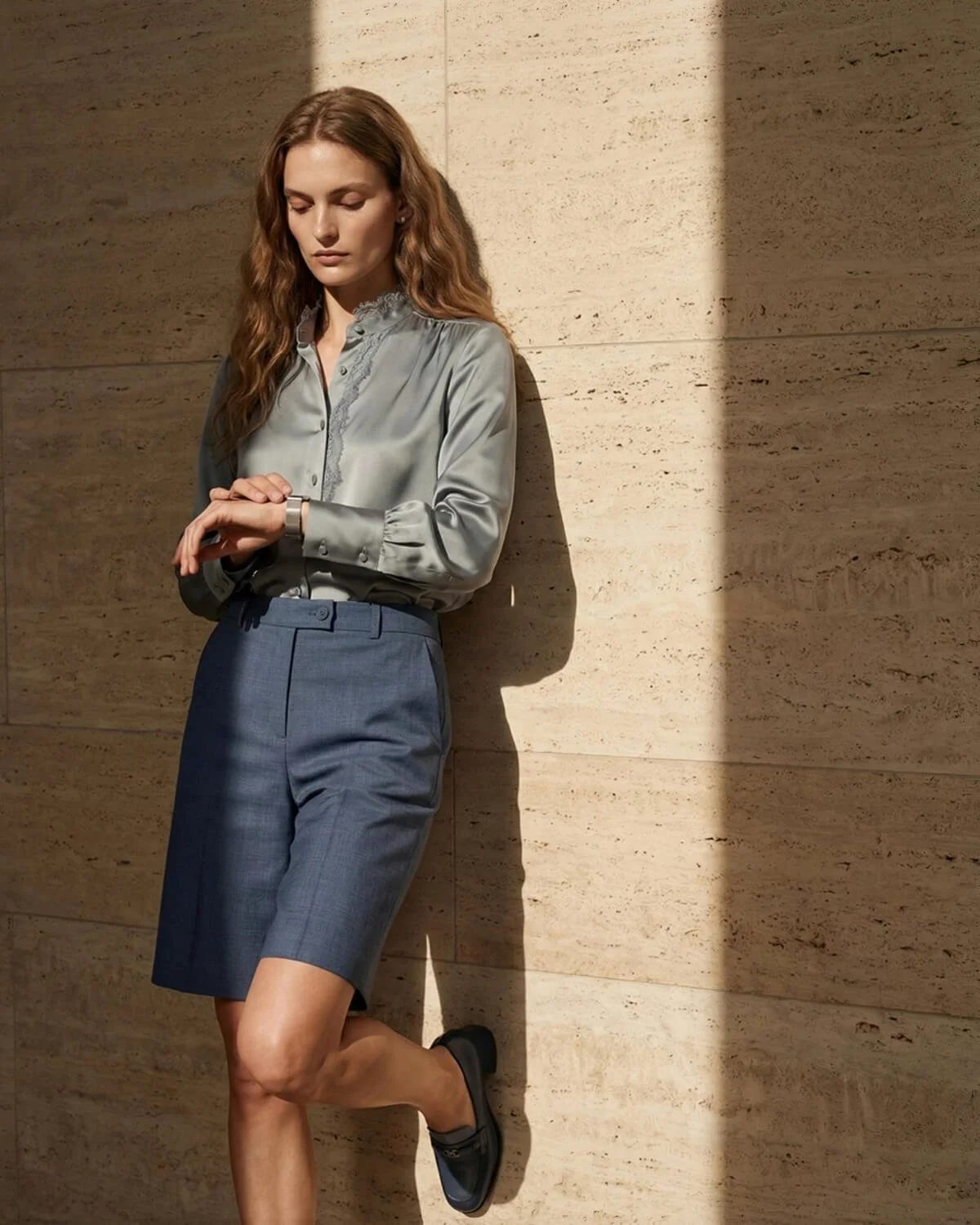
At the forefront of this evolution are sister brands Hockerty and Sumissura, digital-first tailoring platforms that are reshaping how men and women approach personal style. Their mission is simple yet ambitious: create garments designed for the individual, not the masses.

In an industry built around standard sizing, both brands challenge the notion that consumers should adapt to clothing. Instead, clothing is designed to adapt to them.
For women, Sumissura offers a highly personalized experience that combines artificial intelligence with traditional craftsmanship. Customers can choose from curated collections or design garments entirely from scratch, customizing everything from silhouettes and fabrics to finishing details.
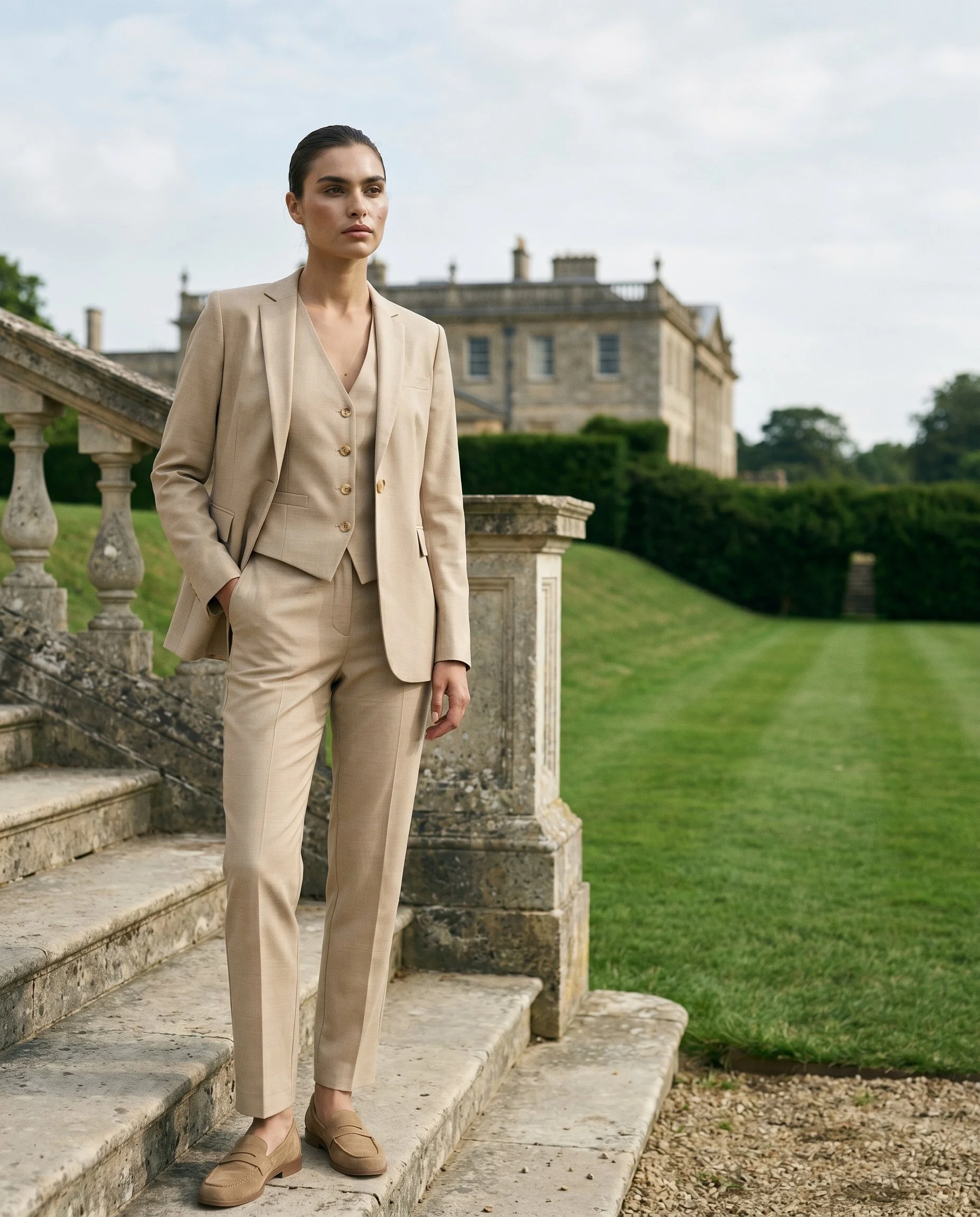
Through a proprietary AI-powered sizing system trained on years of customer data, Sumissura generates a personalized body profile designed to deliver a more precise fit than conventional ready-to-wear. Rather than relying solely on standard sizing, the platform uses predictive technology and customer inputs to create garments tailored to the individual.
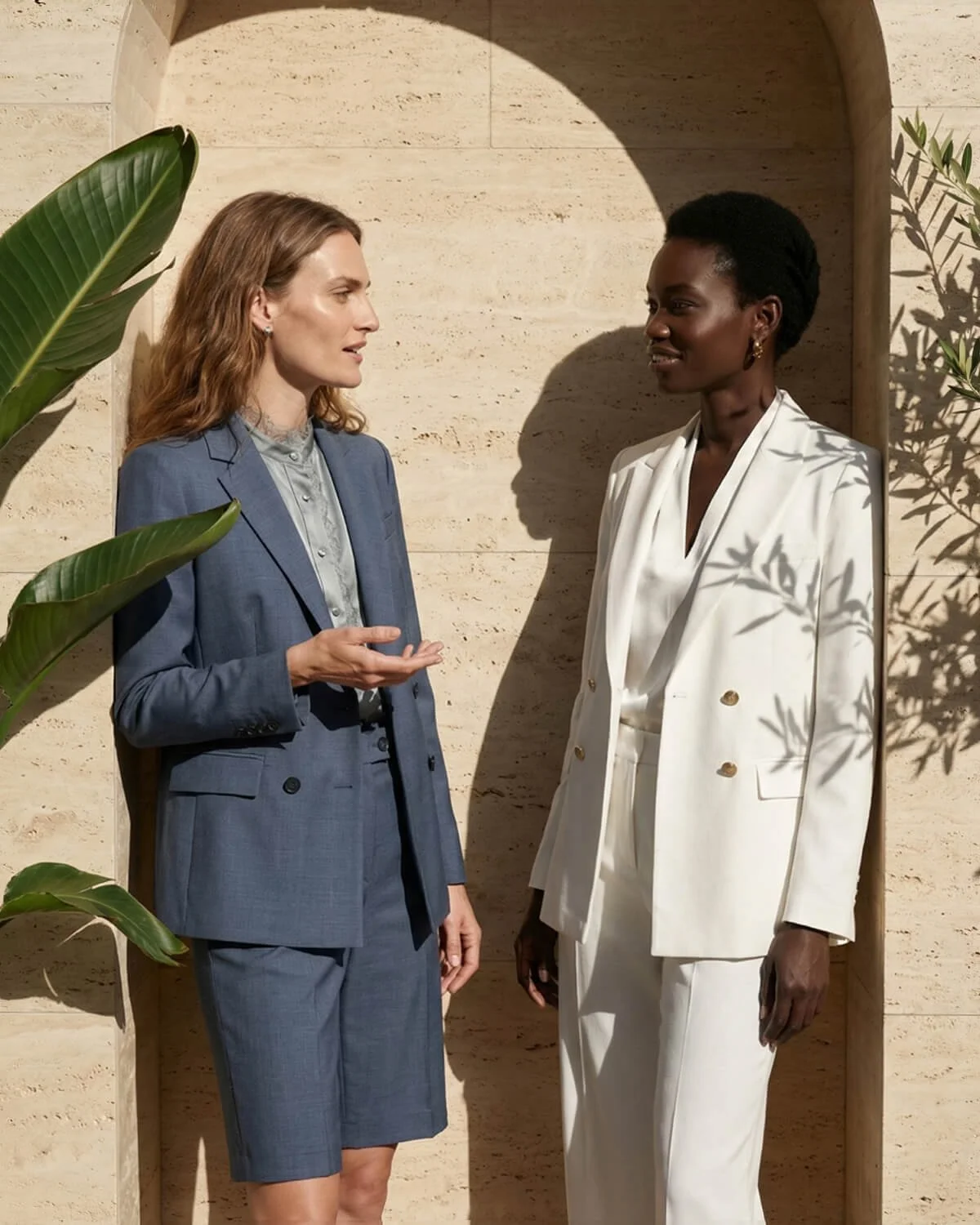
While ordering custom clothing online may seem intimidating, the process is surprisingly simple. Customers are guided through each step with intuitive design tools, measurement tutorials, and realistic previews of their finished garment. Once an order is placed, each piece is made specifically for the customer by skilled artisans, rather than pulled from existing inventory.
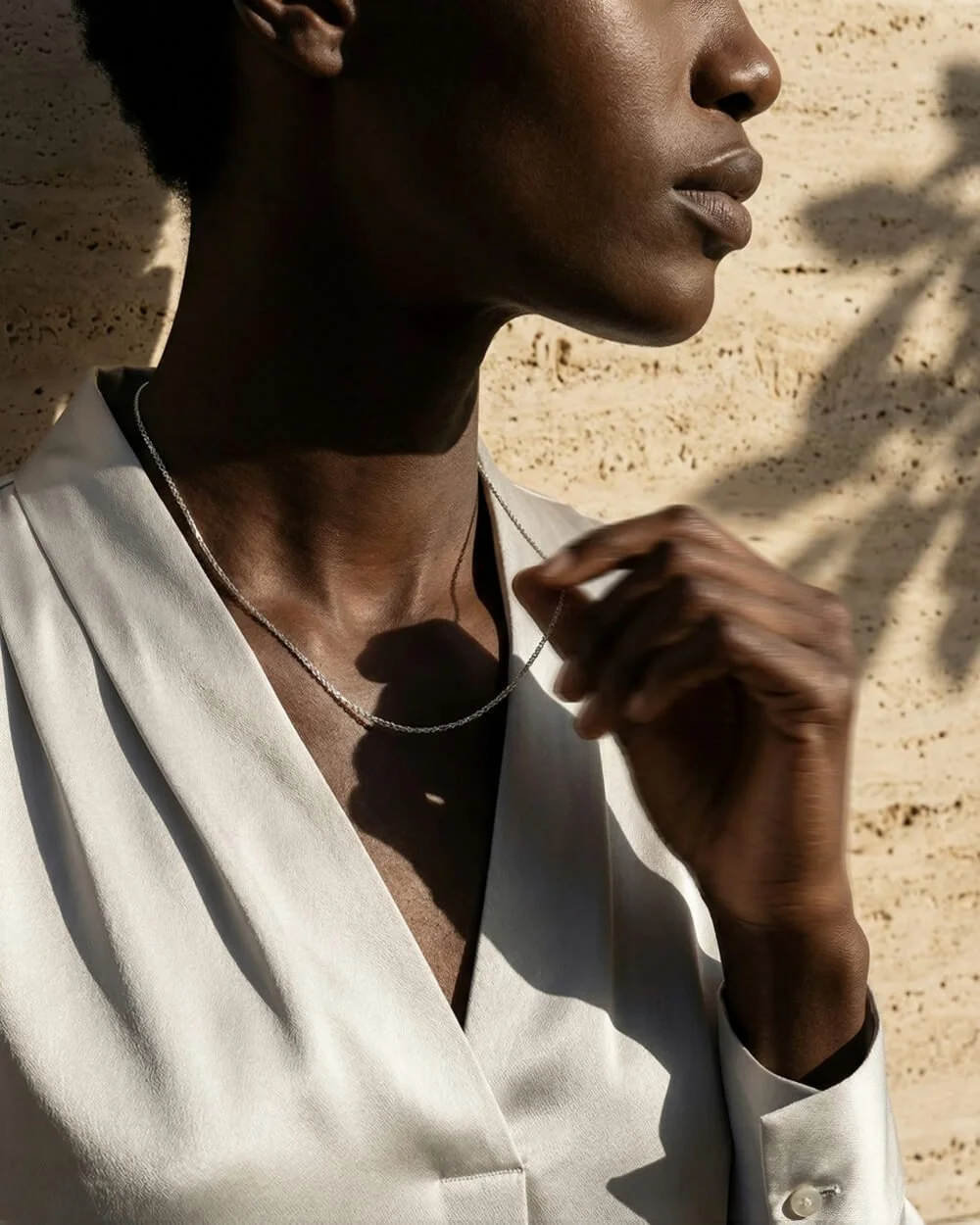
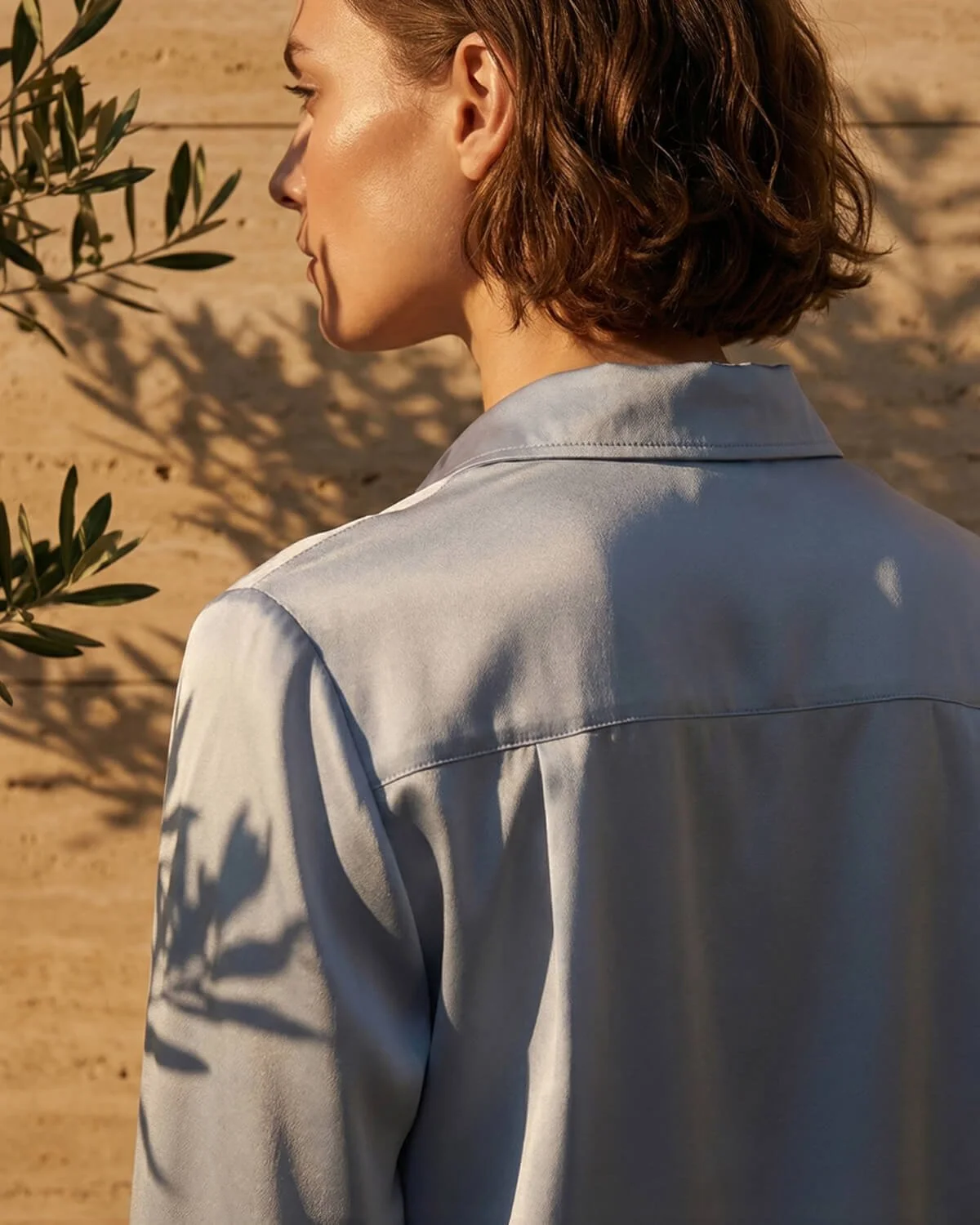
The made-to-order approach not only creates a more personalized product but also supports a more thoughtful approach to fashion. Garments arrive within a few weeks and are shipped in lightweight packaging designed to reduce unnecessary waste—a small detail that reflects the brand's commitment to both craftsmanship and sustainability.

The result is a wardrobe built around individuality rather than standardization. From tailored suits and blazers to dress shirts and wool coats, each piece is produced specifically for the person who ordered it.

For men, Hockerty has become synonymous with made-to-measure dressing. Since its founding in 2008, the company has built a global reputation for customizable suits, shirts, outerwear, and footwear. This season, the brand is expanding its personalization offering with the launch of its Ceremonial Shoes collection, designed with weddings and special occasions in mind.

Crafted in Spain and available in velvet, patent leather, suede, and calfskin, the collection introduces hand-embroidered monograms that allow customers to add initials, dates, or meaningful details directly onto their shoes. It is a subtle gesture, but one that reflects a larger shift happening across luxury fashion: the growing desire for pieces that tell a personal story.

"A wedding shoe shouldn't be a rental decision," says Hockerty Co-Founder Alberto Gil. "It's the one piece a groom keeps long after the day. We wanted the detail that makes it his—a date, an initial, the year his life changed—to be sewn in by hand, not pressed in by a machine."

That philosophy extends beyond weddings. Both Hockerty and Sumissura embrace a more intentional approach to consumption, encouraging customers to invest in garments designed to last rather than participate in the cycle of fast fashion. Every order is produced on demand, reducing excess inventory while creating pieces that feel inherently more personal.
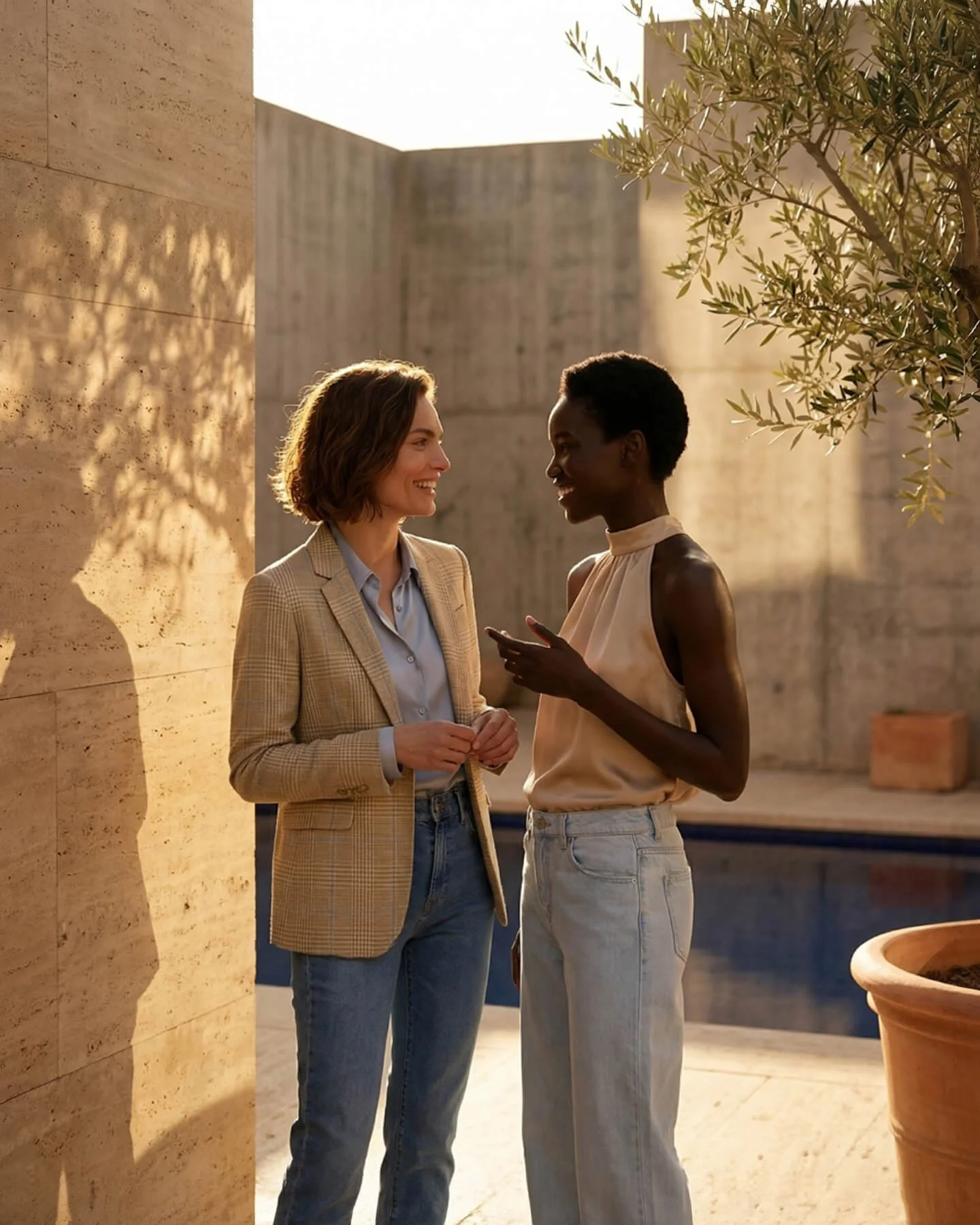
As consumers increasingly seek authenticity, individuality, and sustainability, personalization has become more than a luxury feature… it has become an expectation.
The future of fashion may still rely on skilled artisans and timeless tailoring techniques. But increasingly, it begins with a screen, an algorithm, and a customer determined to create something uniquely their own.

In a world of mass production, true luxury may simply be wearing something made for no one else but you.
For more, follow along on Instagram @hockerty_official + @sumissura