IVF Is Not One-Size-Fits-All
For World IVF Day, a personal look at choosing the fertility path that fits you best.
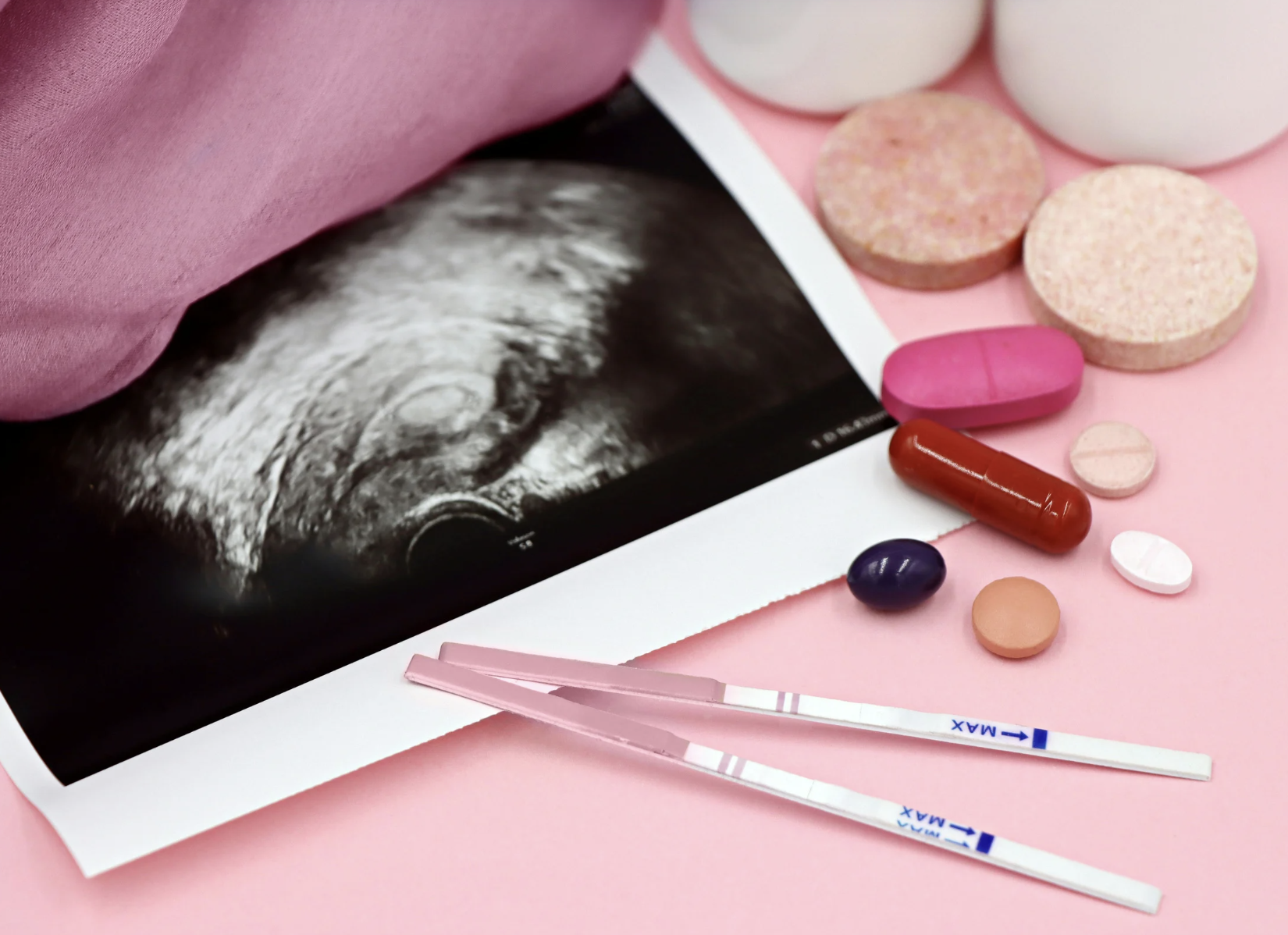
Photography by Marta Branco
Before IVF, there was a year of negative pregnancy tests, bloodwork, appointments, second opinions, and trying to understand why my body was not doing what I hoped it would. Then came another year of procedures, healing, and fighting to get my body ready, and able, to carry a baby.
By the time my husband and I chose to pursue IVF abroad, the journey had already asked so much of us: weeks of shots and hormones, body changes, waiting for results, fewer embryos than we hoped for, more health roadblocks, and the emotional vulnerability of trying to stay hopeful while knowing there are no guarantees.
My fertility journey began close to home in Florida with Dr. Carolina Sueldo at Ceibo Fertility, where I started asking the first big questions about my body and my options. Eventually, it led us to Italy, a decision shaped by timing, cost, treatment approach, trust, and the feeling that this path made sense for us.
That experience taught me one of the biggest lessons of my fertility journey so far: IVF is not one-size-fits-all. The right path depends on your diagnosis, budget, timeline, location, support system, and the kind of care that makes you feel informed and supported.
In honor of World IVF Day on July 25, which marks the birthday of Louise Brown, the first baby born through in vitro fertilization, I wanted to share part of my experience while opening up a broader conversation about what women, couples, and intended parents should know before beginning fertility treatment.
At its simplest, IVF is a process where eggs are retrieved from the ovaries and fertilized with sperm in a laboratory. Embryos may then be transferred into the uterus or frozen for a future transfer. Depending on the patient, IVF may also include ICSI or preimplantation genetic testing to help evaluate embryos before transfer.
But the medical definition only tells part of the story. There is also the waiting, the medication schedule, the financial pressure, the anxiety before every scan, and the emotional weight of trying to stay hopeful while knowing there are no guarantees.
One of the most important things I learned early on is that the right doctor matters. Not just the doctor with impressive credentials, but the doctor who listens, explains, individualizes, and helps you understand why they are recommending a specific approach.
Dr. Sueldo explained, patients should feel empowered to ask questions and choose a clinic that sees the full person, not just the protocol.
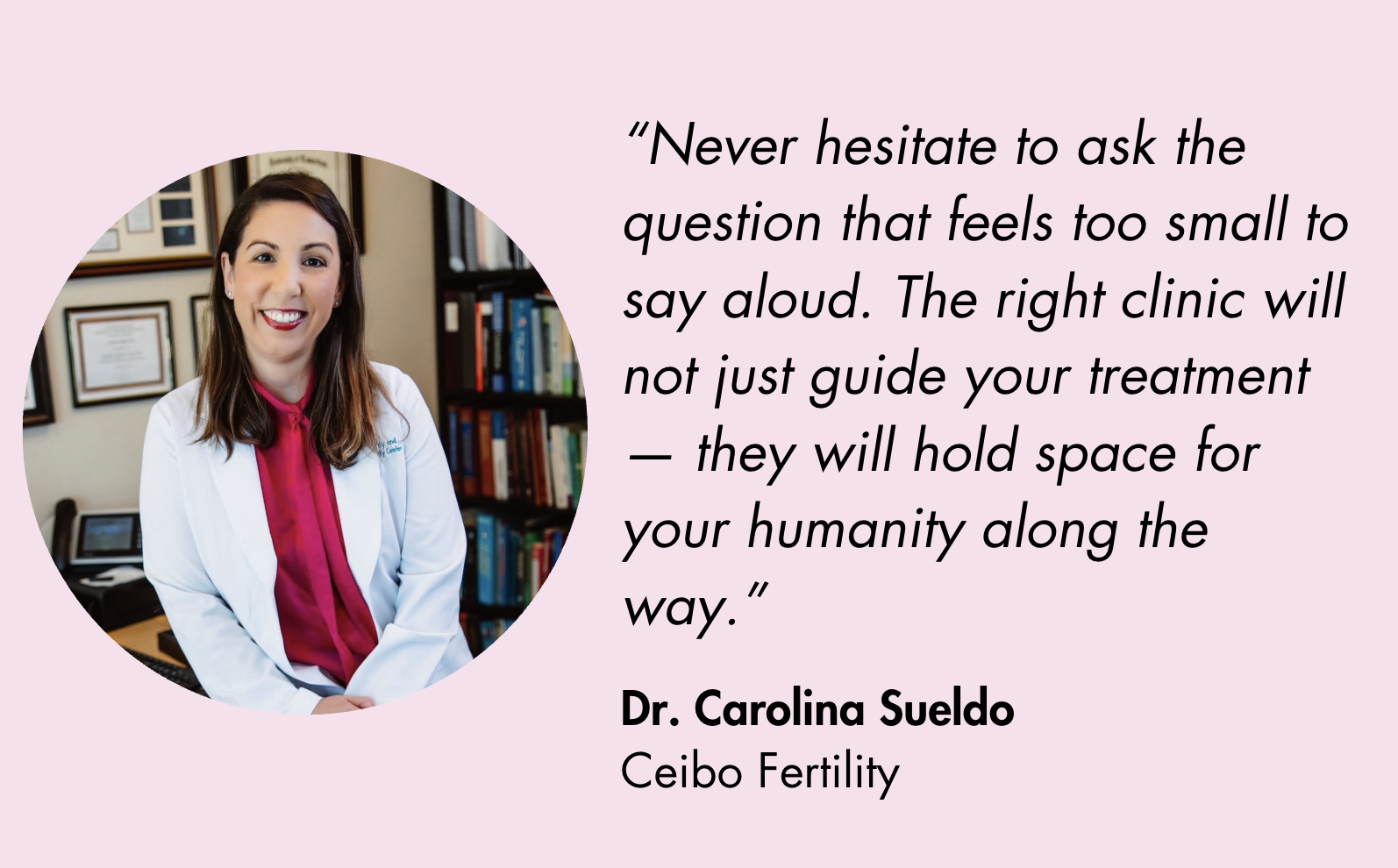
“Before starting IVF, every patient deserves to understand one thing above all: this is not a one-size-fits-all journey, and your care shouldn’t be either. While protocols and outcomes are important, a clinical team who knows your name, your history, and your goals is just as important. When you’re choosing a clinic, ask who will be reading your labs and adjusting your plan.” — Dr. Carolina Sueldo, Ceibo Fertility
For anyone beginning IVF, the goal is not to become your own doctor. It is to become an informed patient. That means asking the right questions: What diagnosis are we treating? Why this protocol? Is genetic testing recommended? What is included in the cost? How will results be communicated if the cycle does not go as planned?
It also means understanding that IVF can look different for everyone. Some patients pursue IUI first, others move directly to IVF. Some explore egg freezing, embryo freezing, donor options, genetic testing, or gestational carriers. Others are part of LGBTQ+ couples, are single parents by choice, or are building a family after years of trying.
For patients who feel overwhelmed by the physical side of treatment, HRC Fertility’s Dr. Rachel Mandelbaum points to Needle-Free IVF as one example of how fertility care is becoming more patient-friendly.
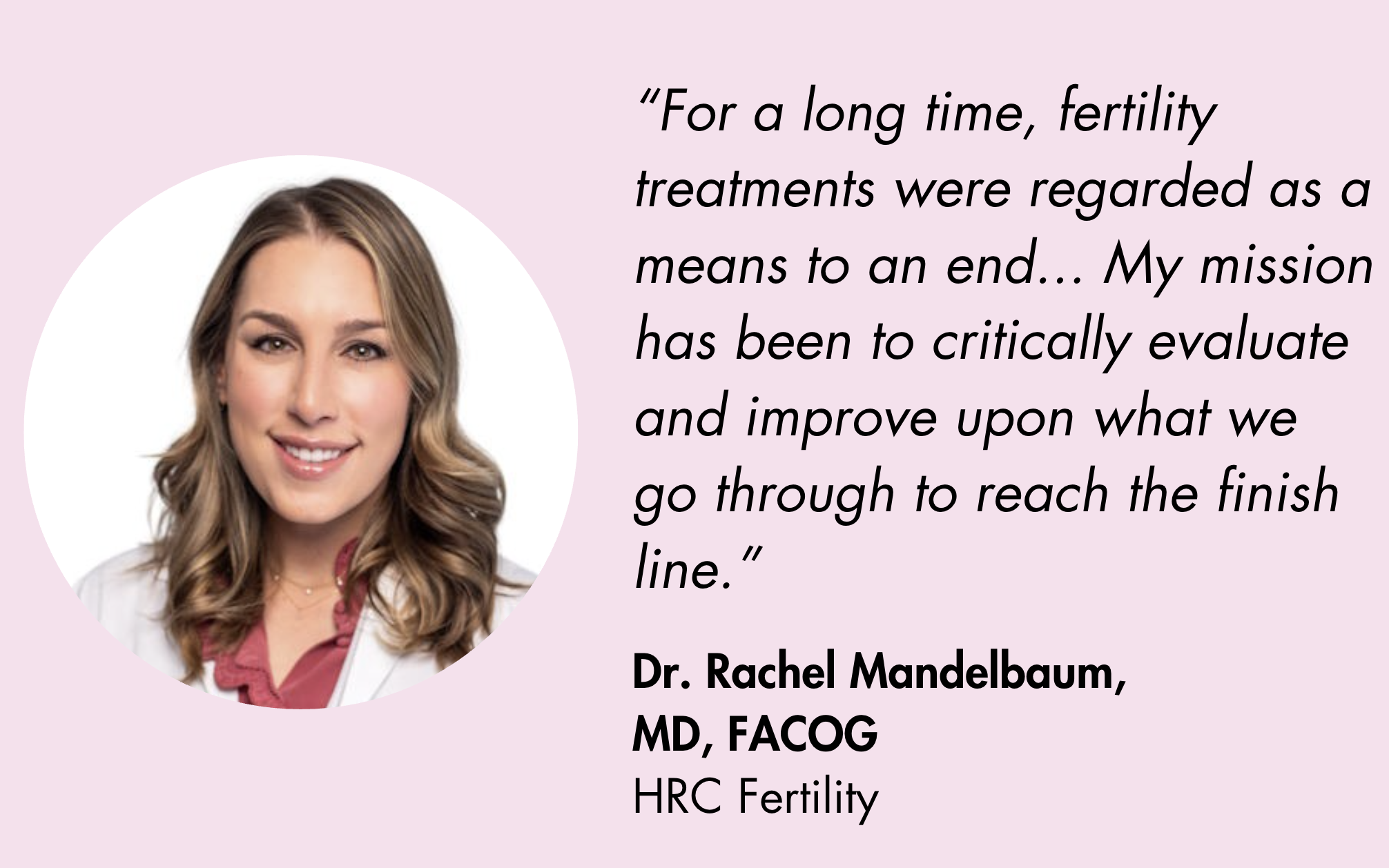
“To that end, I created Needle-free IVF, which uses a wearable subcutaneous catheter, like an insulin pump or glucose monitor, instead of multiple daily injections. I believe personalized care involves offering options and tailoring the process to fit each individual patient.” — Dr. Rachel Mandelbaum, MD, FACOG, HRC Fertility
One part of my journey I never expected was pursuing IVF internationally. For us, that meant traveling to Rome and working with my current IVF doctor, Dr. Luisa Loiudice of IVI Roma.
Choosing IVF abroad is not the right fit for everyone, but for some patients, it can be worth exploring. Treatment abroad can sometimes be more affordable than in the United States, even when travel is factored in, and it can offer access to experienced clinics, advanced labs, and different treatment approaches. But it also requires planning around travel, medications, time away, language barriers, local monitoring, and follow-up care.
As Dr. Loiudice explained, international IVF requires both emotional and practical preparation.
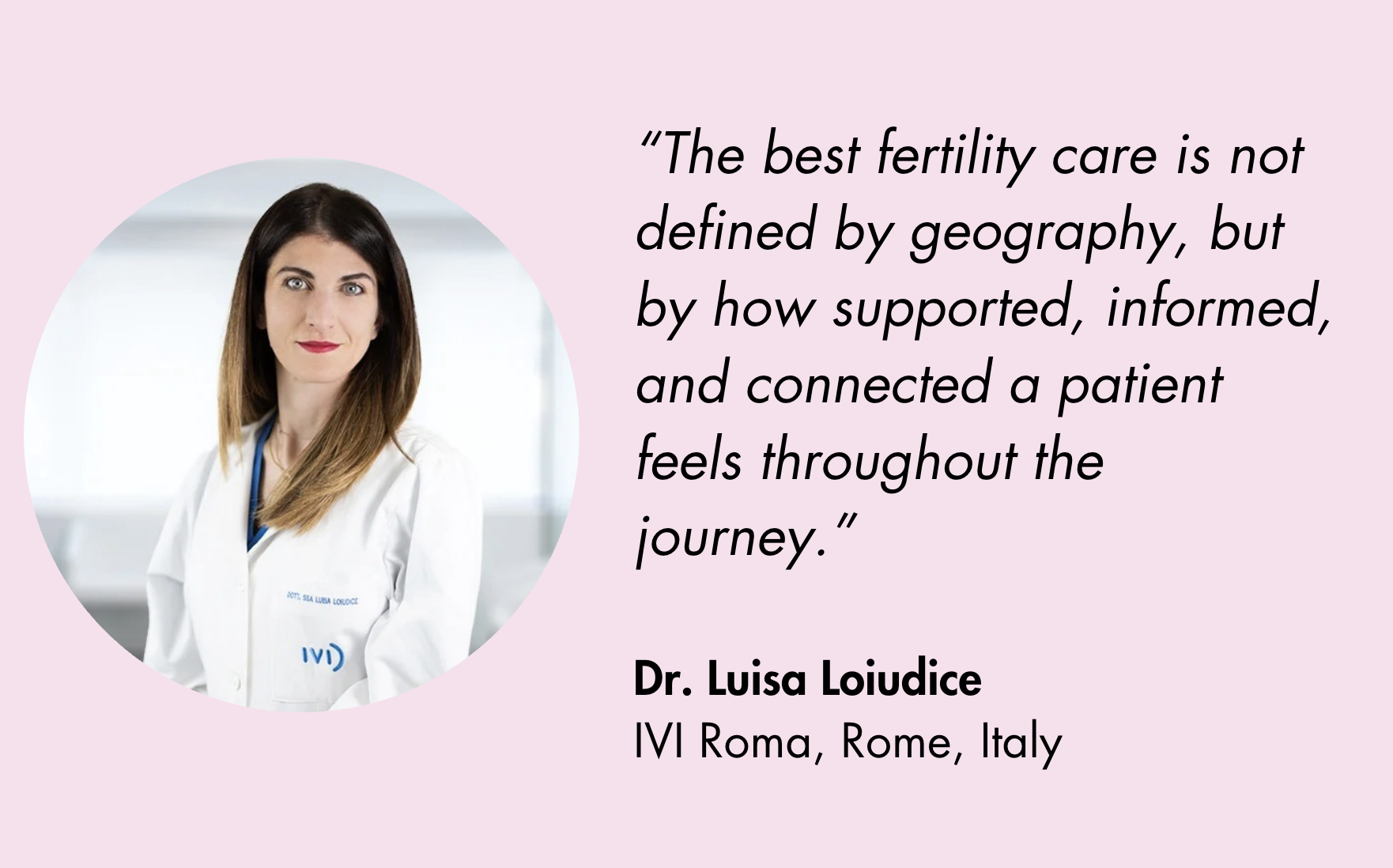
“Patients considering IVF abroad may gain access to leading fertility centers and specialized care, but they should also be prepared to receive treatment away from the familiarity of home. While language can be a concern, English is widely used in international healthcare and typically allows for effective communication between patients and their medical team. Practical planning is equally important, as the length of stay may range from one to three weeks depending on the treatment protocol, and some patients may need to return for a second visit. Continuity of care should be arranged before traveling, with clear communication between the fertility clinic abroad and local healthcare providers for testing, monitoring, and follow-up support. Although international treatment can be physically and emotionally demanding, careful coordination can make the experience feel more manageable. Some couples also choose to build in a short period of rest, creating space to reconnect and focus on their shared goal during an otherwise challenging journey.” — Dr. Luisa Loiudice, IVI Roma
For me, the experience taught me that “the best clinic” is not always just about geography. It is about fit.
Now, after more waiting, more appointments, and more health roadblocks than I ever expected, I am finally preparing to move forward with my embryo transfer after being medically cleared. It is a strange place to be: grateful, hopeful, guarded, exhausted, and still vulnerable.
I wish more people knew that IVF is not a guarantee. It is a chance. You can be grateful for the science and still feel depleted by the process. You can be hopeful and heartbroken in the same day. And you can need help building a family without carrying any shame.
World IVF Day is a celebration of science, but it is also a reminder to support the people behind it: the women giving themselves injections before work, the men carrying their own fear while trying to stay strong, the couples waiting for embryo updates, the patients traveling across states or countries, and the people hoping this round will be the one.
For me, having an incredible partner beside me has made all the difference. IVF is not one-size-fits-all, but no one should have to walk through it feeling alone. The best fertility path is the one that makes sense for you, with the right medical guidance, the right information, and the right support around you.