Bad Bunny At The Super Bowl: A Love Letter In Full Volume (+ in Spanish)
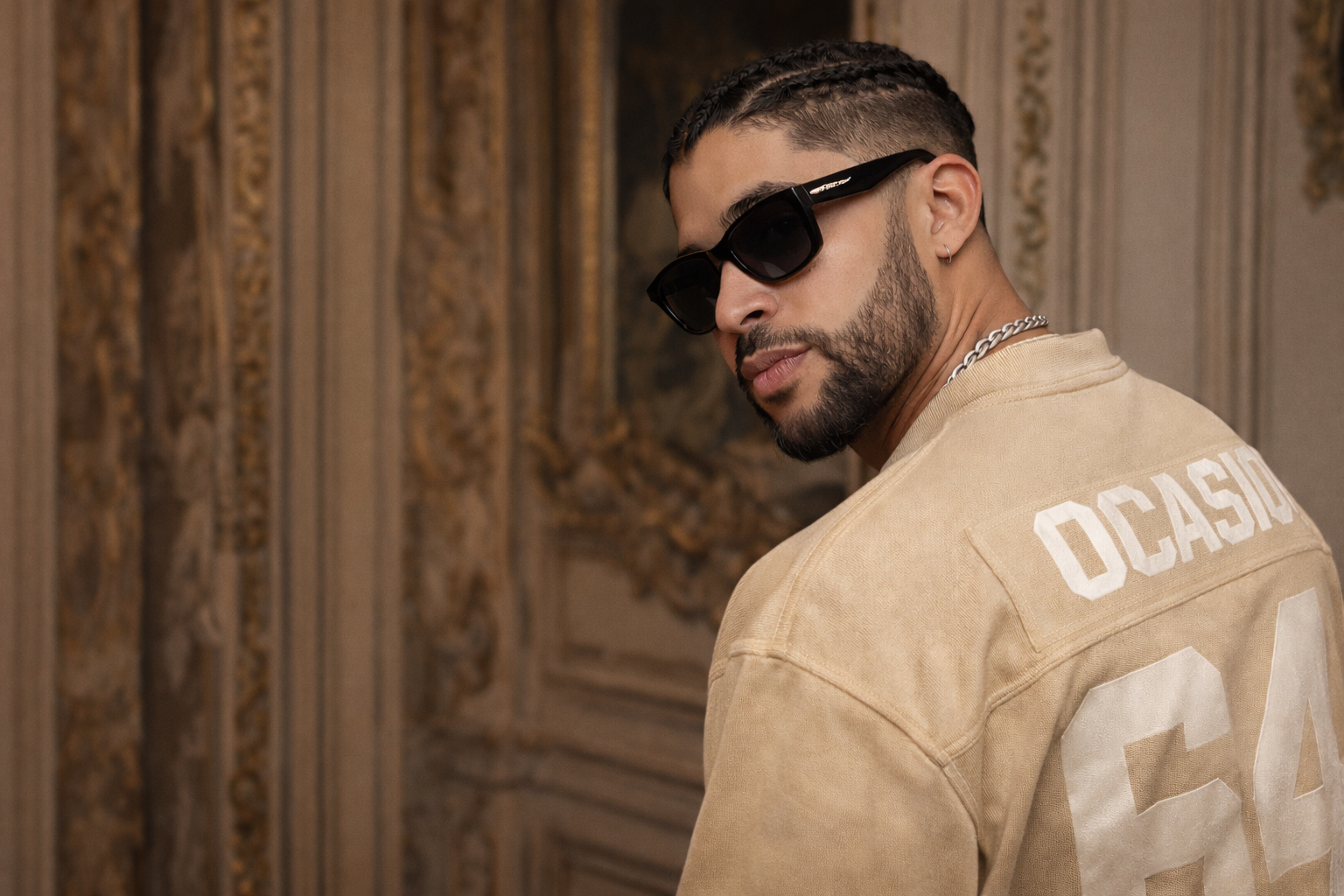
AI Generated Image
Last night, the biggest stage in American sports finally sounded like the America many of us actually live in. Not the “press conference America,” -the real one. The one with accents, abuelas, bodegas, churches, corner stores, factory shifts, beauty salons, construction sites, and dreams carried in two languages.
Bad Bunny didn’t just perform a halftime show. He reframed the room.
He made history as the first Spanish-language Latino artist to headline the Super Bowl halftime show, and the first halftime performance delivered primarily in Spanish. That matters because visibility isn’t a trophy, it’s a door. And last night, millions watched a door swing wide open.
The History He Captured Wasn’t “Representation.” It Was Recognition.
What I’m still sitting with is how intentional the performance felt. The staging and visuals leaned into Puerto Rican identity and community, not as “spice,” but as center-of-the-story. Multiple outlets described it as a celebration of Puerto Rican culture and unity across the Americas, ending with a unifying message on screen: “Together, we are America.”
That line is the thesis.
For too long, Latino presence has been treated like a guest pass in a house we helped build. Last night looked like a headline that read: We’re not visitors. We’re home.
And he didn’t deliver it with a lecture. He delivered it with rhythm, choreography, joy, and heart. AP noted the show’s closing message: “The only thing more powerful than hate is love.” Not fluff. Strategy. Love as a weapon that doesn’t destroy you in the process.
The “Ocasio 64” Jersey: A Message Stitched In Plain Sight
Let’s talk about the number 64.
Bad Bunny stepped out in a football-style look featuring his family name “Ocasio” and the number 64. The name choice alone is a statement: on the most American of stages, he chose ancestry over branding. Government name energy. Family-first energy. The kind that says: you can cheer for me, but you’re also going to see where I come from.
And 64 has sparked multiple interpretations. Some fashion and entertainment coverage speculated it could nod to his mother’s birth year. But another widely discussed meaning carries deeper political weight: 64 was the initial, widely criticized official death toll reported in Puerto Rico after Hurricane Maria, a number later understood to be a severe undercount.
Here’s what makes that so powerful: both readings can be true at the same time.
That’s how our stories work. Latinos are rarely “one thing.” We are family and politics. We are joy and grief. We are celebration and receipts. We can dance and still remember. We can sparkle and still demand accountability.
If the “64” was a Maria reference, it wasn’t random. It was a quiet insistence: don’t erase what happened to us. If it was also family-coded, it’s even more poetic: the personal and the political sewn into the same fabric, like they always are in our lives.
The Impact for Latinos: Not Permission, But Power
The loudest part of last night wasn’t the decibels. It was the shift.
Every Latino kid who has ever been told to “speak English” in a hallway, every parent who has ever been underestimated because of an accent, every entrepreneur who has ever been asked to “tone it down” to be more “marketable”… last night watched Spanish take over the most-watched TV moment of the year and not apologize for existing.
That’s culture moving from the margins to the main feed.
And to be clear: this wasn’t “Latino inclusion night.” This was proof of what has been true for a long time: Latinos don’t just participate in American culture, we produce it.
The Message To The World: “We are America” Means ALL Of Us
When Bad Bunny ends with “Together, we are America,” he’s not talking about a map. He’s talking about a truth.
America isn’t a single sound. It’s a remix.
It’s the Bronx and Bayamón. Miami and Washington Heights. Los Angeles and Santo Domingo flights that feel like a commute. It’s people building families, businesses, and legacies while carrying two worlds in one heart.
Last night didn’t ask for acceptance. It demonstrated belonging.
And that’s the moment: when the world stops debating whether you deserve a seat, because you’re already on stage holding the microphone.