BELLA Boss: Kristina Denton
Success in business demands ambition, resolve, determination, and a relentless pursuit of goals. Here, we highlight successful entrepreneurs whose remarkable accomplishments demonstrate the importance of self-belief and daring leaps of faith. If you’re looking to reshape your career journey, let their achievements inspire you to carve your path to success.
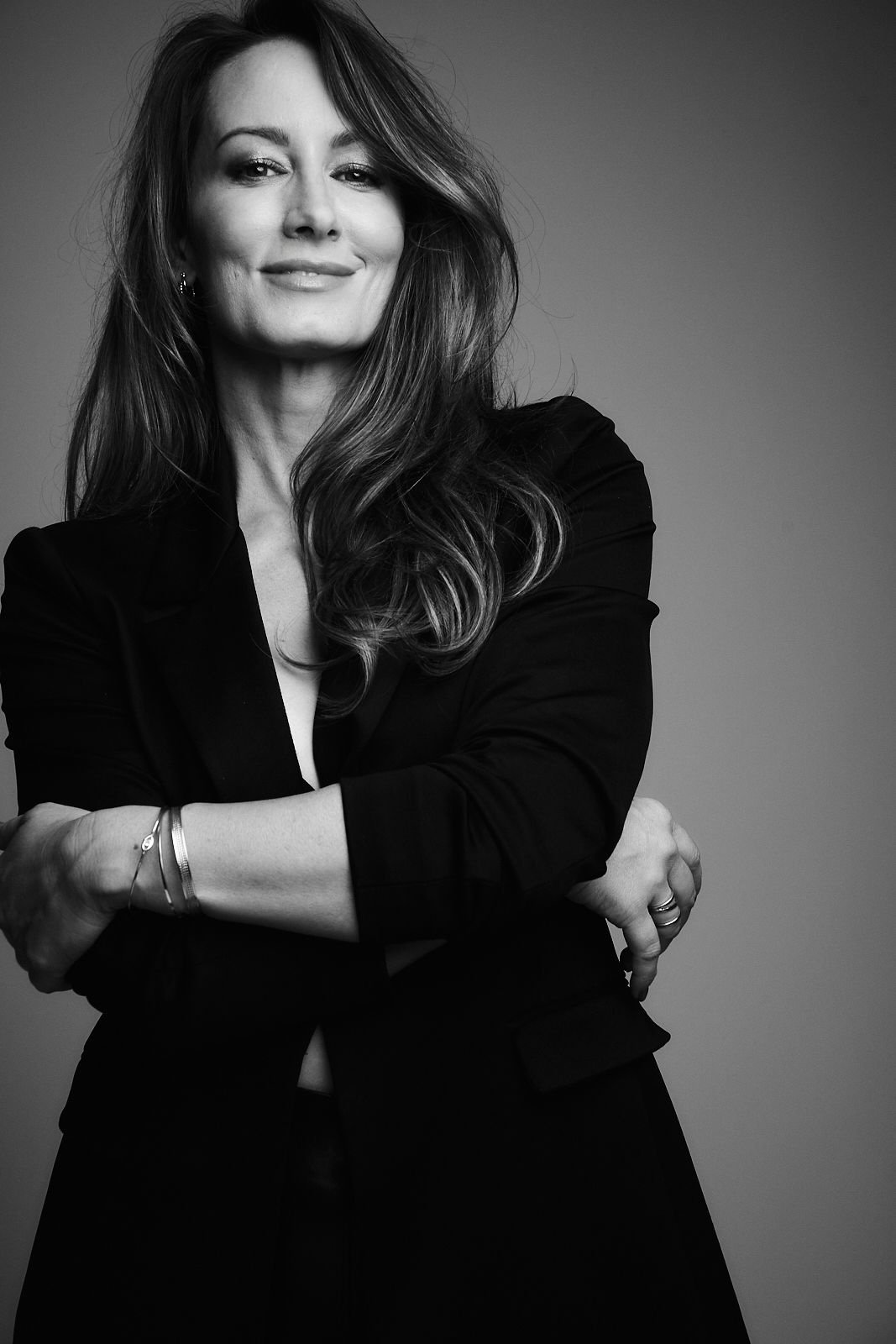
Kristina Denton
Los Angeles, California
Actress, Screenwriter, Producer, Author
What inspired you and Ryan Curtis to write Hollywood Grit, and how did you develop such a gripping story set in the darker side of Hollywood?
Ryan called me right before I moved to Hawaii and asked if I could write a movie in two weeks. It should’ve been an automatic no, I was working full-time, packing my life, and about to relocate across the Pacific. But I said yes because I usually do with Ryan. I know when he gets his mind set on something, it’s going to work. He was looking to get his first feature made and found funding and had a small cast he wanted involved already, one of which was a singer. So, we sort of built it backwards, you could say. Once we had the puzzle pieces, I pulled from my experience growing up as a competitive dancer and my years of acting in Hollywood, chasing a dream to inject the story with real elements of my own experience with the “price of fame”. I also had a rough relationship with my dad growing up and wanted to incorporate that into the story to make it more complicated for our lead character. He wasn’t a great father and feels the weight of that now that she’s missing. Since I grew up singing with my dad, Ryan and I both love music and since we had a singer in the cast already, it made sense to me to set the entire plot around a Hollywood Night Club.
Ryan and I approach our storytelling from two different angles and it makes for a great collaboration. Ryan is an incredible visual storyteller and a combat veteran, so he thinks big-picture, world building and about the action. I approach writing from the inside out, always starting with character dialogue, due to my acting foundation. The collision of those perspectives gave the story its grit and its heart.
Your upcoming memoir, You Don’t Know Dick, tackles a sensitive topic with humor and honesty. How did your experience working in a men’s erectile dysfunction clinic shape your perspective on grief and identity?
That job cracked me open in ways I couldn’t have imagined. While the world was busy villainizing men during the #MeToo movement, I was sitting in a room with men stripped of all bravado, drowning in shame. It gave me a lens into vulnerability I don’t think I could’ve accessed otherwise. At the same time, my father died, and I found myself grieving two versions of him, the one I lost and the one I never really had. The clinic became this unexpected classroom where I learned not just about masculinity, but about my own identity, my patterns, and how much of myself I’d been hiding. In a strange way, fixing broken penises helped me heal my broken relationship with my dad.
You’ve worked as a writer, actress, producer, and director. How do these different roles influence your storytelling approach?
I’m always thinking in layers. The actor in me asks, “What’s the truth of this moment?” The writer asks, “What’s the structure, the rhythm?” The producer says, “Okay, but can we actually make this with the resources we have?” And the director’s voice is in the background pushing me to visualize the world and the tone. Wearing all those hats keeps me honest. I’m not just writing for a page, I’m writing for performance, production, and audience impact. It’s a 360-degree way of telling a story and I think it’s vital to bringing anything to life.
Can you share a memorable moment or lesson from working with the all-star cast on Hollywood Grit?
One of my favorite moments was when I got to set and met the musicians behind the original soundtrack. We have 12 original songs that were written and inspired based on our script. Normally, I write “insert song” into a script, assuming I have to wait to see what we can afford to license for the film. I’ve never had original music written for a movie that I've written, so this was an incredible honor to hear how they were inspired from my words. I hope all my future movies include this process.
What advice would you give to aspiring creatives who want to break into the entertainment industry today?
First, become an expert on yourself, your perspective is your currency. Second, treat your career like a business. Art matters, but so do strategy and relationships. And third, stop waiting for permission. Create your own work, find collaborators who light you up, and don’t let rejection convince you to stop. I always say: there’s no Plan B, just more ways to make Plan A happen.