From Stanford to Screen: Kimberley Kim on the Rise of Vertical Storytelling and the Power of Reinvention
By Sari Cohen
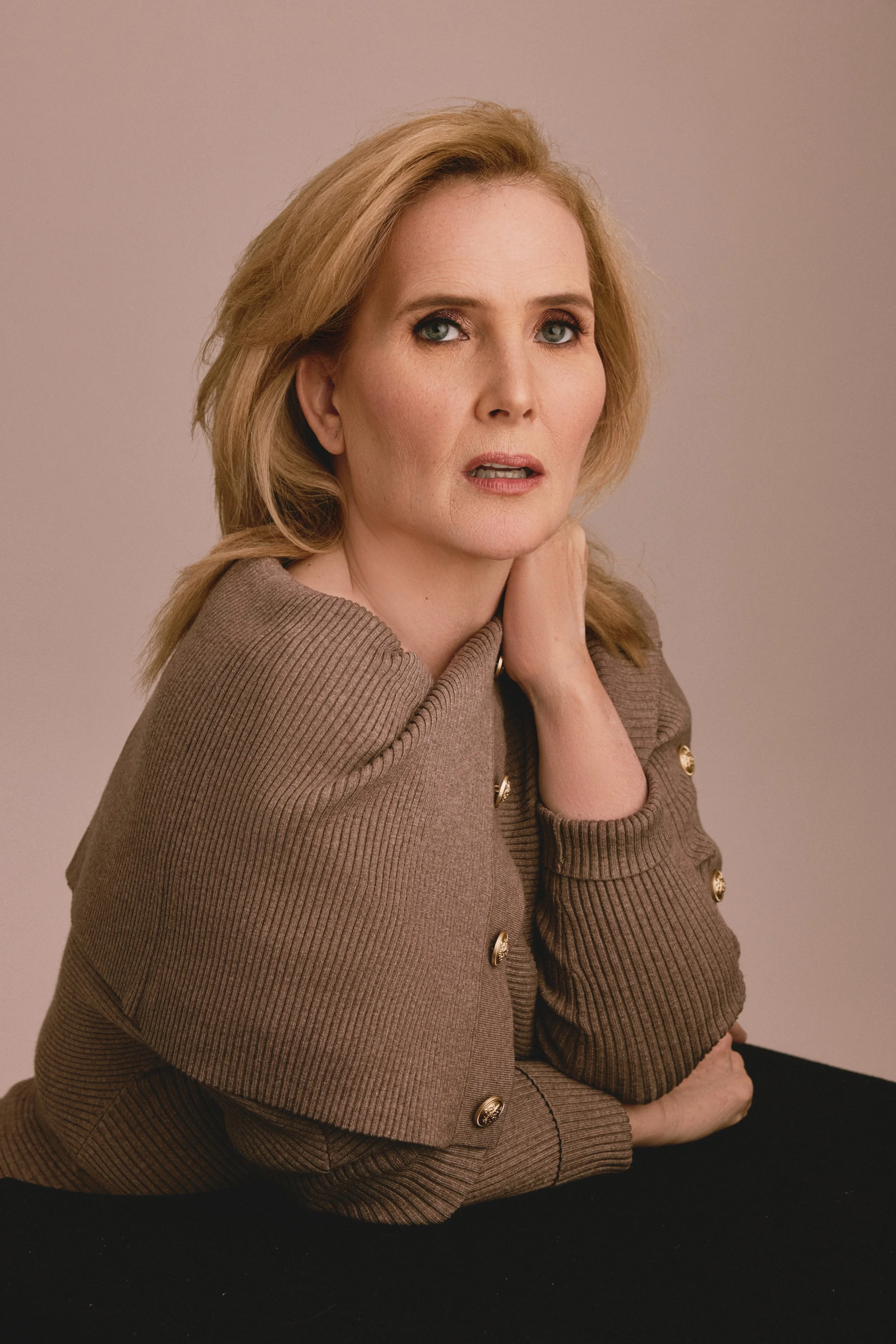
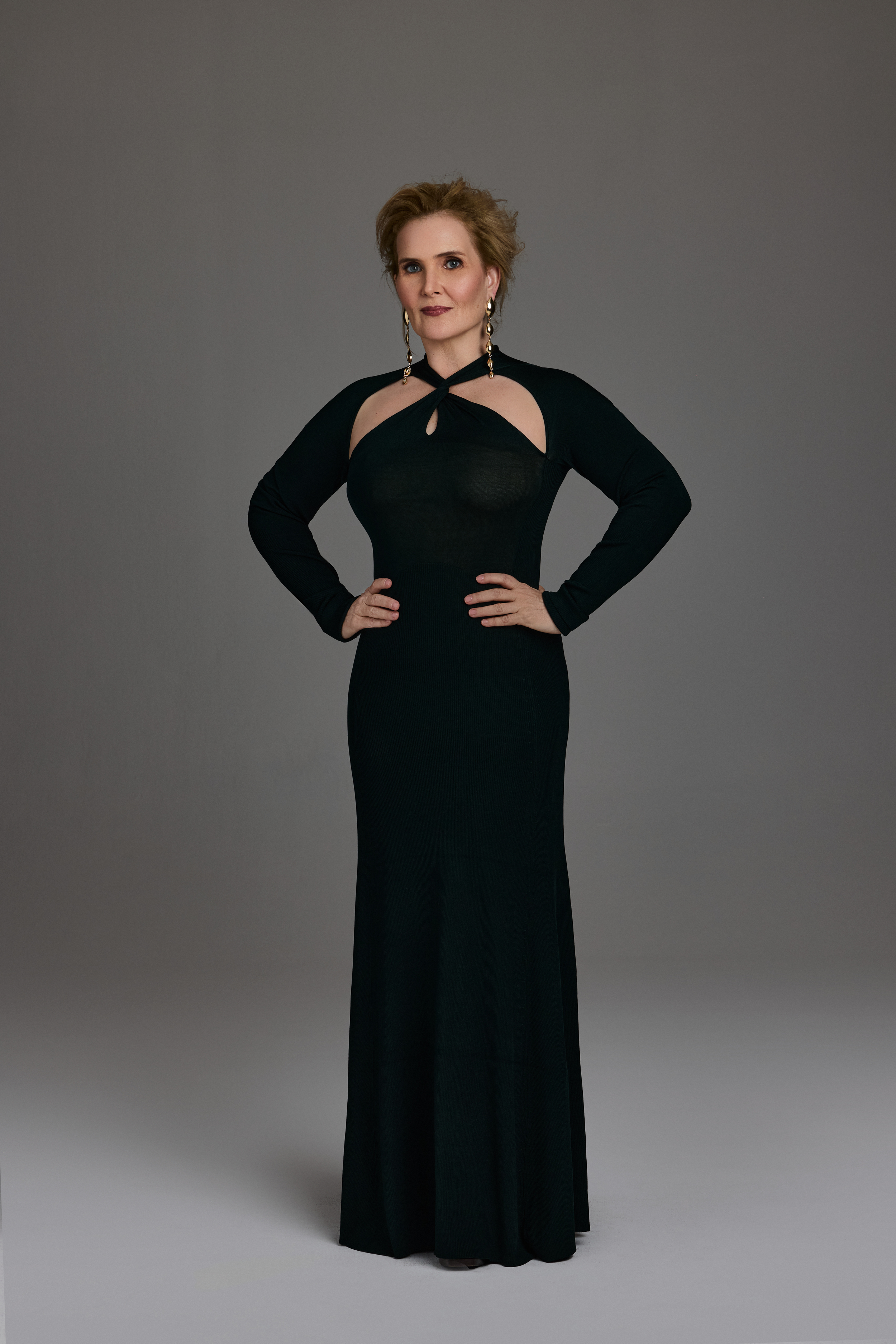
As a full-time finance analyst at Stanford University and a steadily working actress in Los Angeles, Kimberley Kim's story is anything but ordinary. It’s a rare intersection of art, intellect, and reinvention — and a powerful example of how modern Hollywood is evolving to embrace talent at every age.
Originally from the idyllic town of Victoria on Vancouver Island, British Columbia, Kimberley’s creative spark began early. “I grew up on the water in a small town,” she recalls. “And like a lot of kids from small places, I had big dreams. I was always drawn to pretending, to performing, to acting. That whole world looked so glamorous. It was my escape.”
Her first taste of the industry came during Vancouver’s golden age as “Hollywood North.” “I had a little bit of luck there,” she says. “I got a part on 21 Jump Street, and I also worked on this indie project where we improvised scenes. There was no script. They gave us a scenario, and we created the story. It was really exciting.”
Los Angeles soon followed, along with early momentum in her acting career. But as life evolved — marriage, motherhood, and a divorce — Kimberley made a practical pivot. She shifted her focus to raising her son and building a career in finance, ultimately joining Stanford University.
“Once I became a mother, everything changed,” she says. “Acting took a back seat, and I started a whole new career. I’ve been in finance for nearly 20 years now, and I’ve worked at Stanford for most of that.”
Yet, her creative drive never left. When remote work became possible during the pandemic, she made a decision that reignited her passion. “I realized I could live anywhere and keep working remotely. So I moved back to L.A.,” she says. “And I thought, why not go back to what I love? Why not get back into the film industry?”
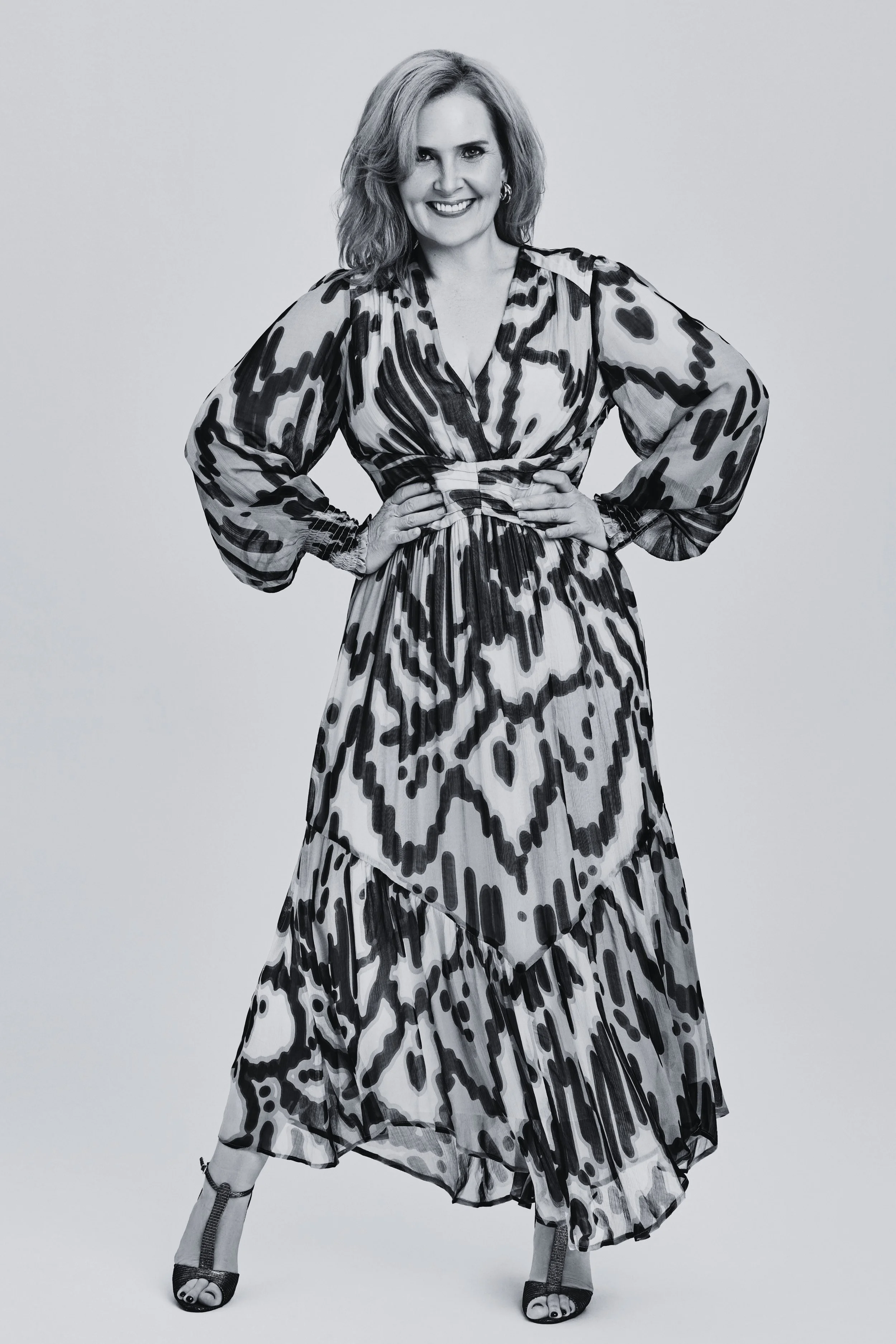
Rediscovering Acting in a Digital Era
The acting landscape Kimberley returned to was almost unrecognizable from the one she left behind. Auditions had moved online, content creation was democratized, and short-form storytelling had become a new industry frontier.
“It’s so much more actor-friendly now,” she says. “In the ’80s and ’90s, you'd be driving all over town for auditions. Now you can tape ten auditions a day from your living room.”
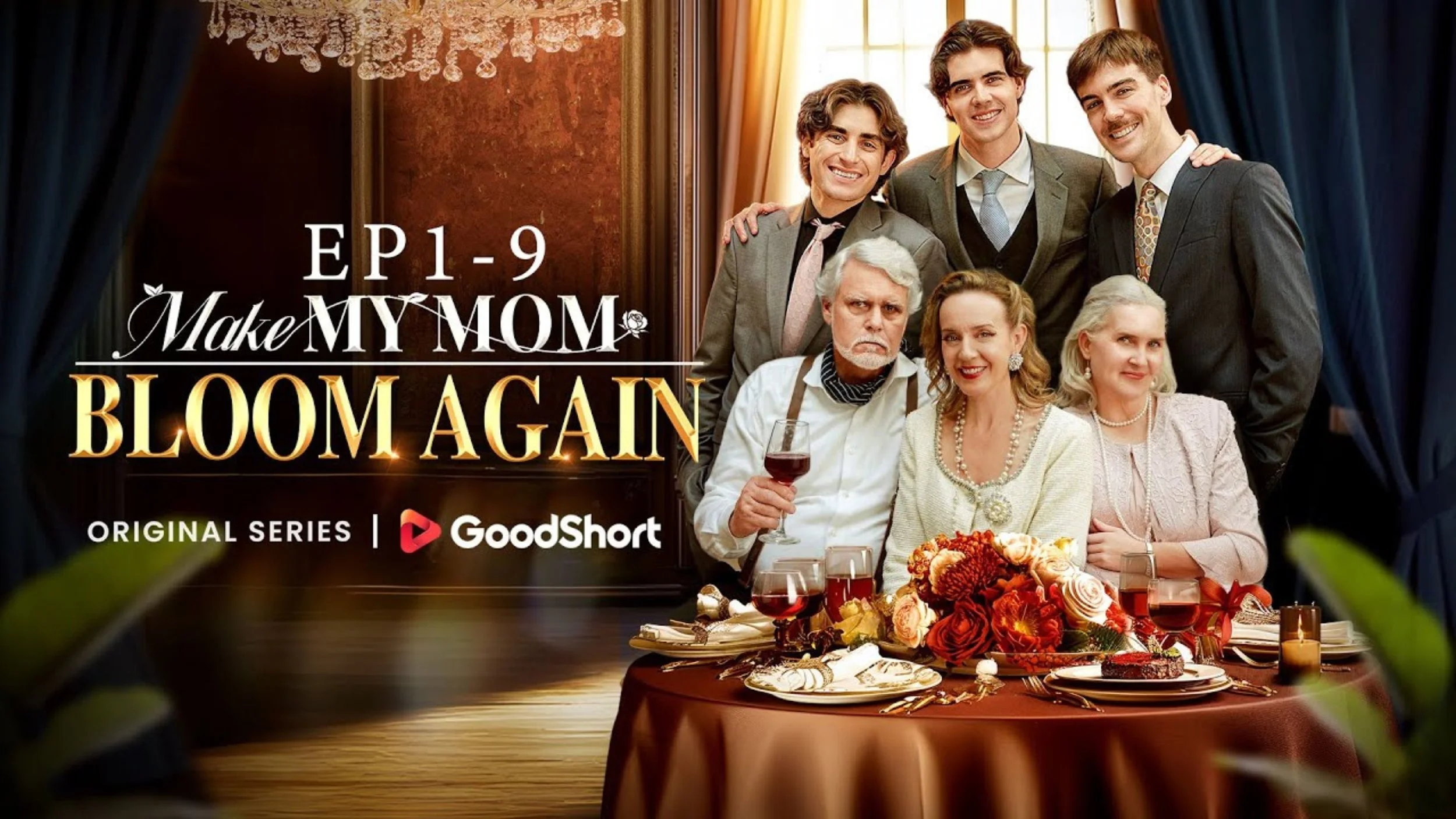
Among the formats fueling this change is vertical storytelling — short, serialized dramas designed for smartphones. Platforms like ReelShort, DramaBox, ShortTV, and GoodShort have exploded in popularity, offering fast-paced, emotionally driven stories that reach millions globally.
“It’s like soap operas on steroids,” Kimberley laughs. “It’s fast, it’s scrappy, it’s creative, and it’s growing. You’re learning lines quickly, filming with multiple cameras, and adapting constantly. I actually love it.”
A New Market for Mature Talent
One of the most empowering aspects of Kimberley’s return has been discovering a demand for actors over 40 — a demographic long overlooked by mainstream Hollywood. “I think a lot of that has to do with how society has changed,” she says. “We’re finally seeing older women as valuable. We’re not invisible anymore.”
As she’s found, the vertical storytelling boom has created an entirely new lane for performers. Episodes are short, production schedules are tight, and fresh faces are constantly needed — a perfect ecosystem for working actors looking to expand their résumés.
This trend reflects a broader shift toward inclusivity and agility in the entertainment industry, where creativity and consistency often matter more than age or agency representation.
The Business of Acting
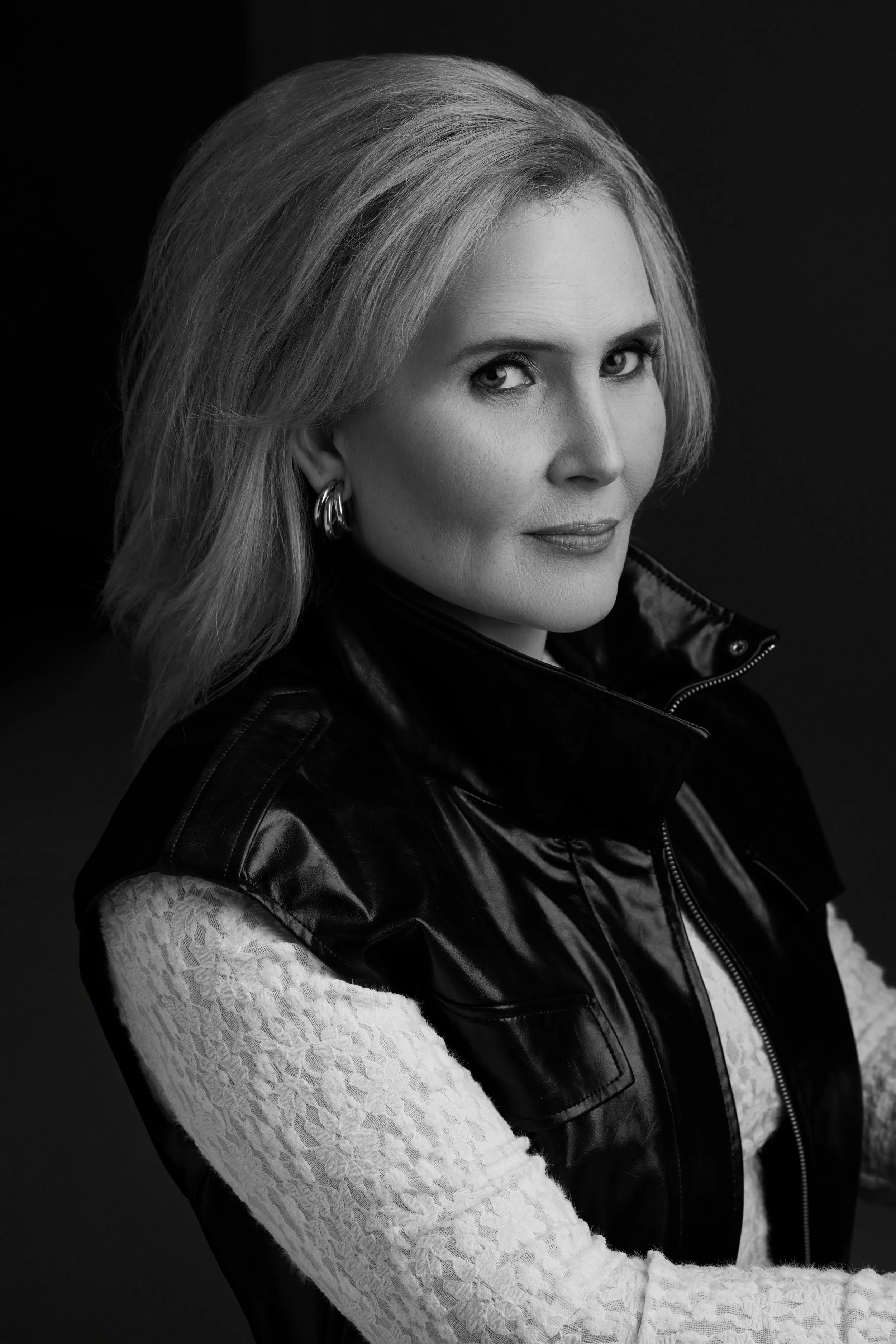
Kimberley’s dual career gives her a distinct advantage in this evolving ecosystem. “I used to look at acting as this purely artistic outlet. Now, I treat it like a business. I bring professionalism, I respect other people’s time, and I think about the product — me — that I’m offering. Finance gave me that discipline.”
And her pragmatic mindset serves her well. “Being an actor is all about stamina. You're always auditioning, networking, prepping. You throw darts until something sticks. And that’s a numbers game, just like finance.”
Relationships, Resilience, and Reinvention
Beyond the technology and shifting trends, Kimberley emphasizes that success still comes down to relationships and perseverance. “When you do student films or smaller projects, those people grow. And when they get bigger opportunities, they remember who showed up and did the work. That’s happened to me more than once.”
Her story illustrates how the entertainment industry has become more accessible, diverse, and dynamic — and how determination can bridge decades.
“You get to a point in life where you just stop caring what people think,” she says. “That freedom is priceless. I don’t worry about being too old or too anything. I know what I bring to the table. Hopefully someone likes it. If not, on to the next.”
Kimberley’s words echo a truth many midlife artists are discovering: creativity doesn’t expire. “You need purpose, especially in midlife. If you don’t have something that pushes you forward, you lose yourself in routine. You get stuck. I never want to get stuck.”
Her parting message to anyone hesitant to chase their dream — no matter their age — is refreshingly bold. “Be glad you get to age. That’s a privilege. I don’t worry about looking young. I’m proud of what I’ve done. I’m proud of what I’ve survived. I hope my son looks at me and thinks, ‘My mom’s still got it.’ Because that’s what I’m trying to show him — you don’t have to disappear when you hit a certain age. You can still do what you love.”
Kimberley Kim represents the modern creative — adaptable, fearless, and deeply aware of the power of reinvention. “You’ve got nothing to lose,” she says. “So go for it. Do the thing. You never know what might come of it.”
From the boardrooms of Stanford to the soundstages of Los Angeles, Kimberley is proving that passion doesn’t have an expiration date — and that the second act might just be the best one yet.