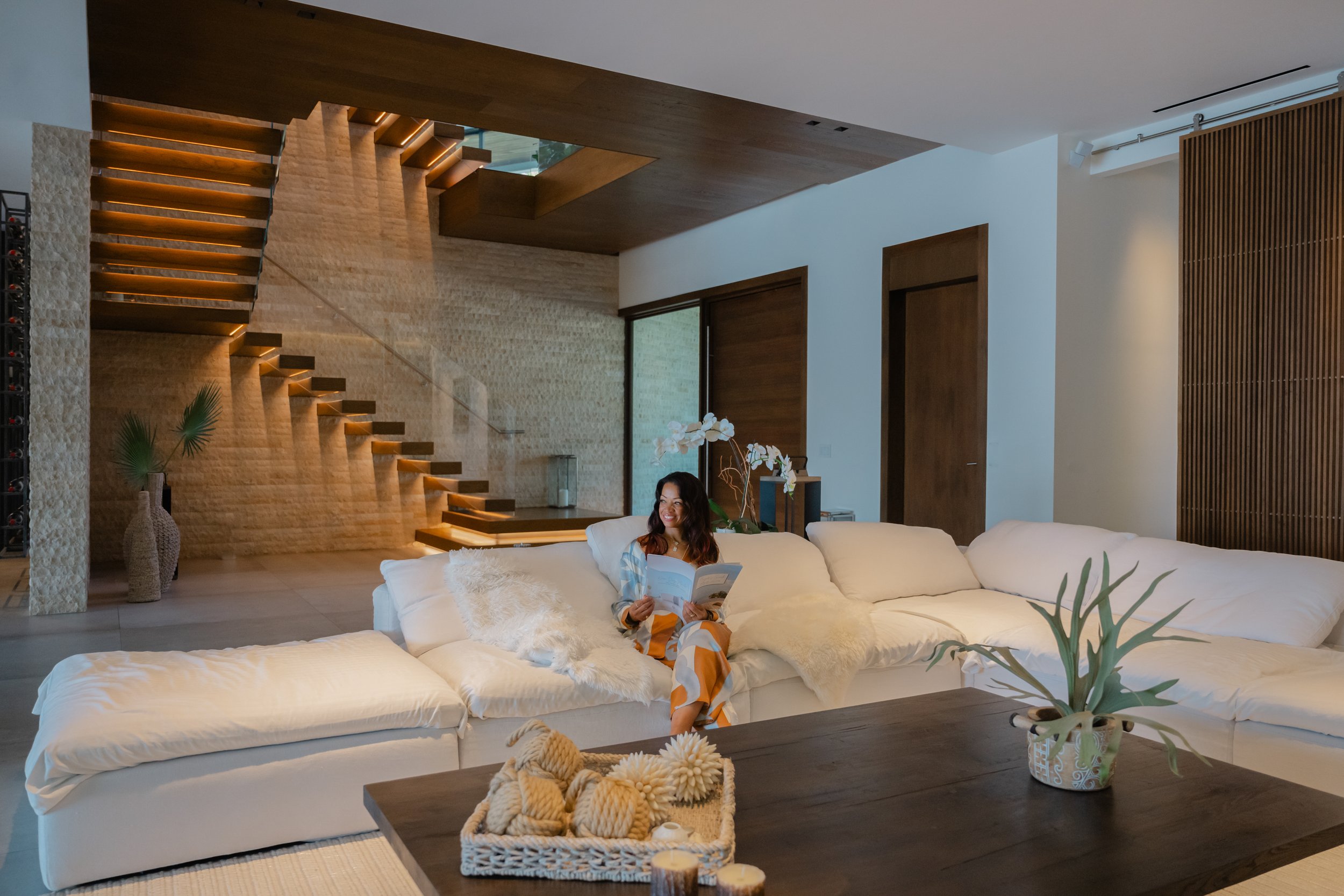
Photography By Carla Ten Eyck
In the world of design, the boundaries between our wardrobes and our living spaces are increasingly blurred. Just as fashion evolves from modern minimalism to nostalgic vintage, our homes, too, are responding—becoming reflections of personal style, mood, and aesthetic aspiration. Homes are no longer ordinary backdrops to our lives; they are curated expressions of identity.
For our Fashion Issue, we’re thrilled to share insights from Karen Diaz Meaike, a luxury real estate expert and certified home stager based in Boca Raton, Florida. Karen’s dual lens of real estate and interior styling gives her a unique ability to see not just the structure of a home, but the soul it can embody. She knows how trends in fashion—clean lines, rich textures, gender-fluid ease, and sustainable sensibility—inform the way we inhabit our most intimate spaces. In an exclusive interview, Karen joins us as our guide to uncovering how the aesthetics of one’s closet translate into the décor, color, and energy of a home.
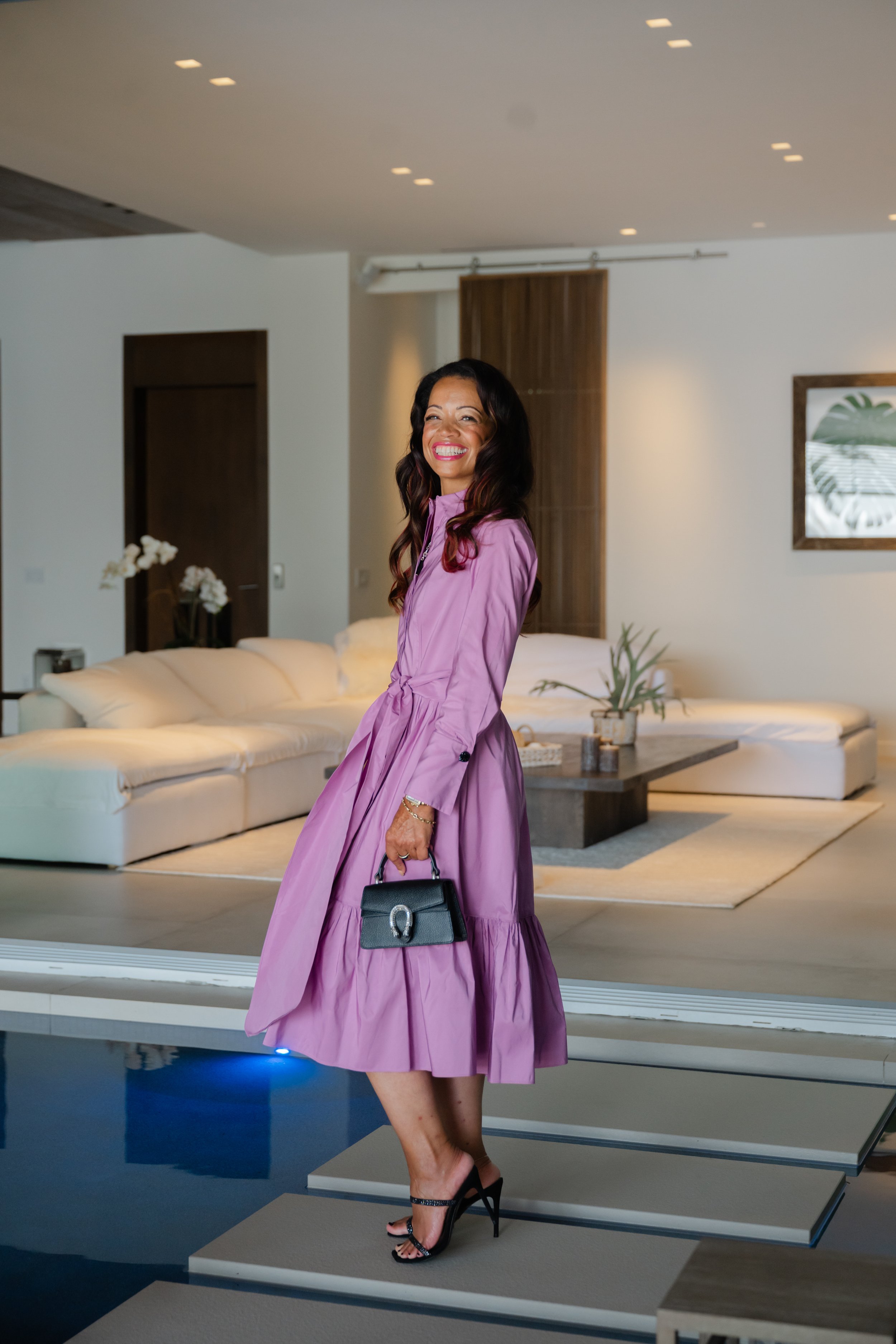
From clean modern to vintage comfort, how do fashion trends like minimalism or retro revival reflect in today’s home design?
In real estate, I see fashion and home design speak the same language—they both tell a story of how we want to live. Minimalism in clothing has inspired a surge in clean, modern interiors: open floor plans, muted palettes, and intentional spaces where every piece serves a purpose.
On the other end, retro revival in fashion—think bold patterns, mid-century curves, and nostalgic color pops—has brought a cozy, lived-in energy back into homes. When I stage or guide clients, I often blend these worlds. A minimal backdrop allows the architecture to breathe, while vintage-inspired accents—like a statement chair or art piece—add personality and warmth. It’s about creating a space that feels both curated and authentic, just like a great outfit.
As a certified home stager and realtor, how do you balance fashion’s fast shifts with the lasting nature of interiors?
Trends are wonderful for inspiration, but a home should outlast the moment. My job is to help clients weave in what’s fresh without losing that timeless foundation. I often recommend anchoring the space with classic, quality pieces—hardwood floors, neutral upholstery, or enduring stone finishes—and layering in trend-driven elements like textured throws, statement lighting, or bold accent walls. This approach keeps a home feeling current today and adaptable tomorrow. It’s the same as investing in a tailored blazer—you can change the accessories, but the piece itself never goes out of style.
Which fashion-forward details—think tailored silhouettes or luxe textures—are finding their way into popular home finishes right now?
We’re seeing a lot of fashion’s tactile richness in interiors: velvet sofas that feel like couture gowns, ribbed wood cabinetry reminiscent of pleated skirts, and porcelain tiles patterned like fine tweed or houndstooth. There’s a real appetite for luxe, touchable textures—brushed brass, bouclé, silk blends—that invite you to both see and feel the quality. Just like a well-fitted dress changes how you stand, these details change how you experience a room.
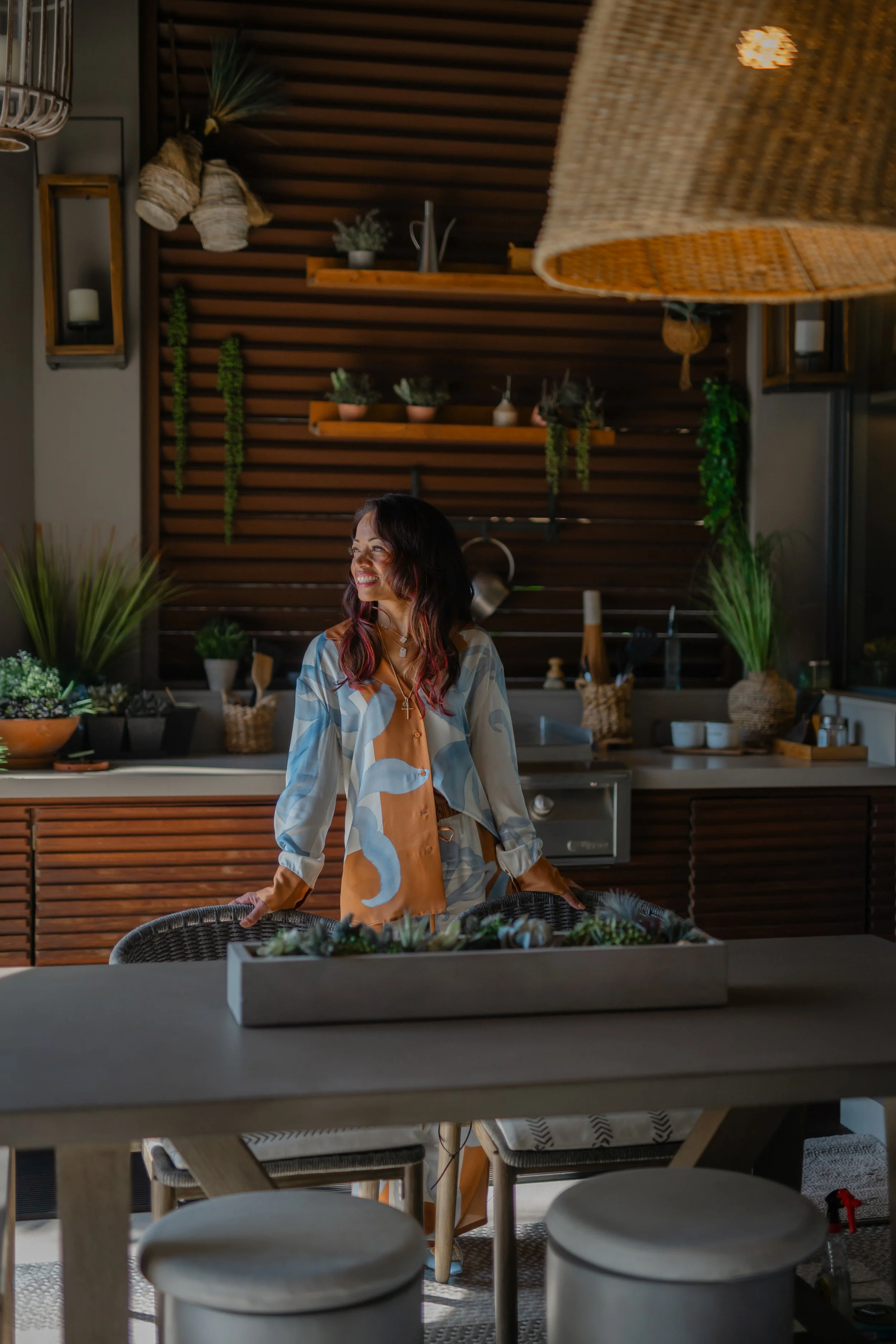
Sustainability and wellness are major in fashion; how are these values crossing over into interior design?
The fashion world’s embrace of sustainability is absolutely mirrored in real estate. Buyers are seeking homes with eco-friendly materials—bamboo flooring, recycled glass countertops, low-VOC paints—as well as spaces designed for well-being. Adaptive furniture is trending: modular sofas, convertible desks, even movable walls that make a home’s footprint more versatile. Mindfulness-driven spaces are also on the rise: quiet reading nooks, spa-inspired bathrooms, and indoor-outdoor flow that connects us with nature. These elements speak to a lifestyle that’s intentional, restorative, and responsible.
With your background in social work and staging, how do you help clients connect emotionally with a home’s design?
My background in social work taught me that spaces aren’t just physical—they’re deeply emotional. People respond to homes the way they respond to stories; if the design reflects their values, aspirations, and memories, it becomes more than four walls. When staging, I create moments that invite that connection—a breakfast table set for Sunday morning, a soft throw on the arm of a reading chair, art that sparks conversation. I listen closely to what my clients want their lives to feel like, and then I curate spaces that let them imagine that life unfolding. That’s where empathy and design meet—and where homes truly sell.
For more about Karen, visit KDMRealtor.com and follow along on Instagram @KDMRealtor.